Mathematics in Everyday Life: Essential Roles and Practical Uses
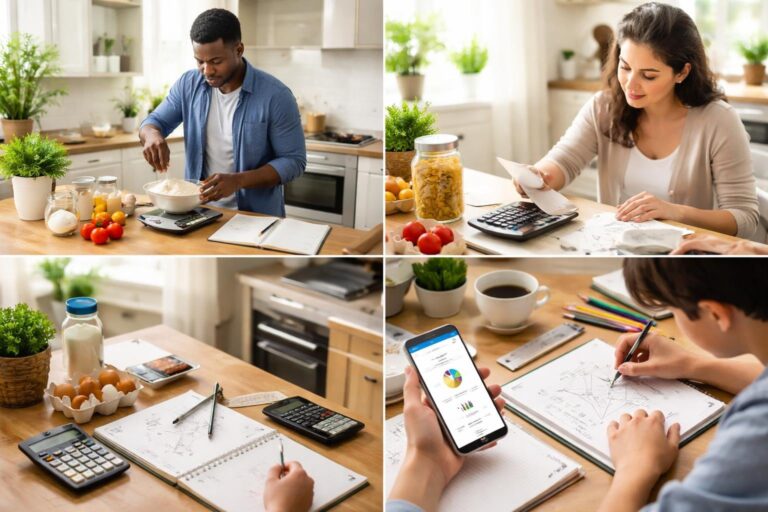
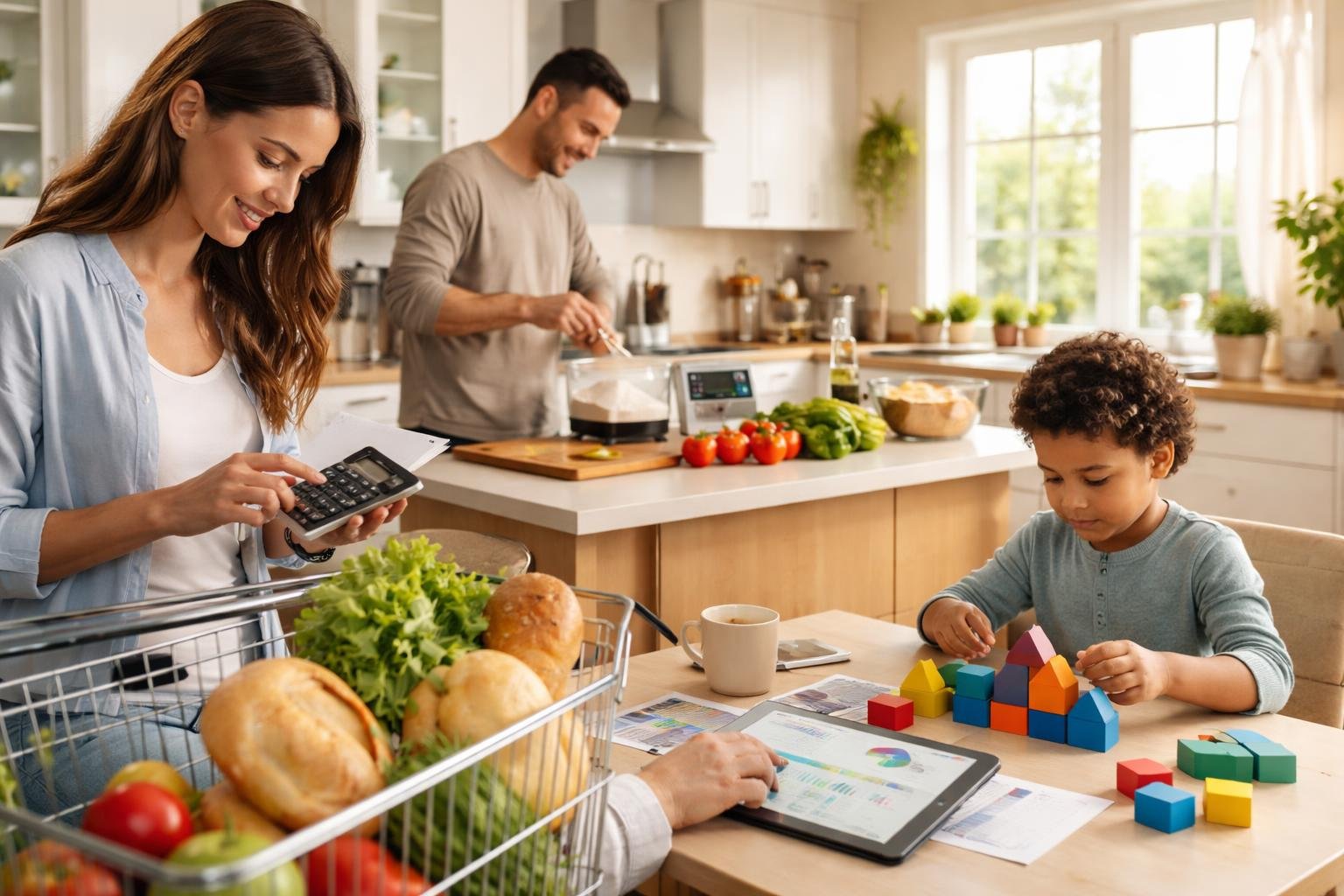
You probably use math way more often than you realize—budgeting your week, cooking dinner, planning a trip, or even checking sports stats. Math helps you figure things out, make choices, and predict outcomes by turning life’s messiness into numbers and rules you can actually use. In this piece, I’ll show you how basic math ideas show up in personal finance, cooking, travel, weather, technology, and honestly, a bunch of other places too.
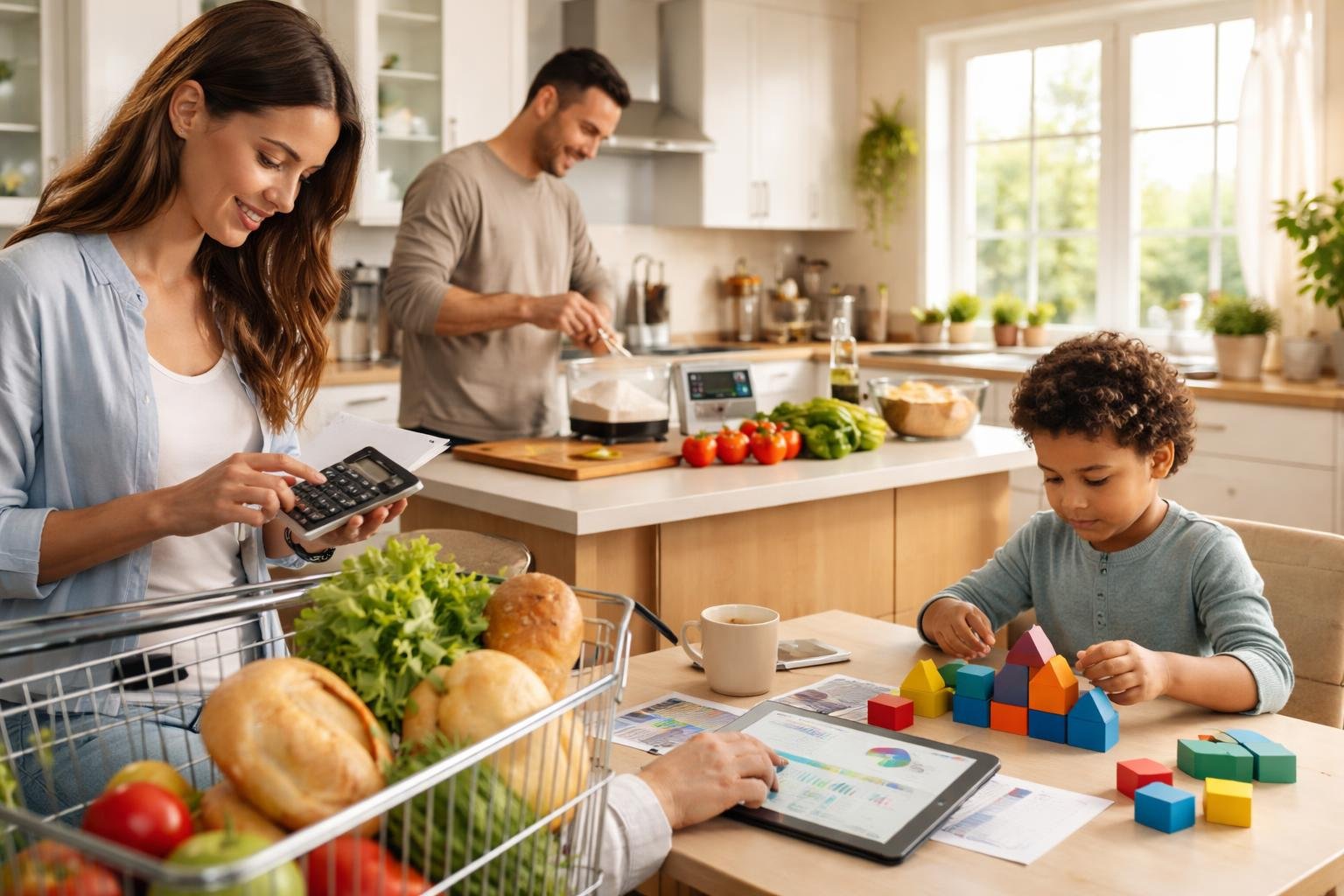
As you read on, you’ll see practical examples and simple explanations that connect arithmetic, geometry, percentages, and probability to real-life stuff. I’ll keep things short and useful, with steps you can actually try. You’ll even get a peek at how experts use more advanced math—just enough to give you a sense of where all this comes from.
Core Applications of Mathematics in Everyday Life

You deal with numbers every day, whether you notice or not. They help you make practical choices, save time, and keep more money in your pocket.
The next three sections walk through how basic arithmetic and percent skills show up when you’re handling money, shopping, or even just making dinner.
Personal Finance and Budgeting
You track your income, bills, and savings with plain old arithmetic. Start by jotting down what you make each month, then list out fixed expenses like rent, utilities, and loan payments.
Subtract those bills from your income and you’ll see what’s left to save or spend. Use percentages to set savings goals—maybe you aim for 10–20% of your take-home pay.
Interest on savings or loans changes your balance over time. Compound interest might sound boring, but those little deposits really do add up.
Make a simple budget table to compare what you planned to spend with what you actually spent. Update it every week or so. This habit boosts your financial skills and helps you spot problems before they get big.
Shopping and Comparing Prices
You look at unit prices to figure out which deal is better. Divide the price by the amount (ounces, liters, or pieces) to get the cost per unit.
Pick the one with the lower unit cost if you want to save a few bucks. Discounts and final prices use percentages too. If something’s 25% off, just multiply the price by 0.75.
Watch out for “buy two, get one free” deals—sometimes the math doesn’t work out in your favor. Make a quick list: brand, size, price, unit cost, and discount. This speeds up shopping and helps you avoid impulse buys.
Math skills let you see real value, not just flashy sale tags.
Cooking and Measuring Ingredients
You scale recipes up or down using ratios and simple multiplication. If a recipe for 8 needs to feed 12, multiply everything by 12/8.
Conversions matter: teaspoons to tablespoons, grams to cups—keep a cheat sheet handy. Accurate measuring gives you consistent results.
You’ll use fractions and decimals to get portions right. Baking especially needs precision; a little math mistake can turn out weird cookies.
Timing and temperature need numbers too. Convert Celsius to Fahrenheit if you’re using a recipe from another country. Adjust cooking times when you’re juggling more than one dish. All these little math moves help your meals come out the way you want.
Specialized and Broader Mathematical Uses
You reach for specific math tools when you need exact answers, careful planning, or safety checks. Geometry helps you work with shapes, algebra solves for unknowns, and statistics can point you toward the best option.
Home Improvement and Material Calculations
When you plan a room or buy materials, you rely on geometry and trigonometry for measurements. Measure wall height and width to get area in square feet or meters. Add 10–15% for waste when you order paint, flooring, or tiles.
For angled cuts or roof pitches, use trigonometry—sine, cosine, tangent—to turn slope and length into what you actually need to cut. Ratios and proportions help you scale plans or mix things like mortar.
Algebra lets you solve for unknown lengths or quantities, like when you know the area but not the side length. Architects and builders use geometry and structural math to check load paths and spacing.
Grab a tape measure, calculator, and sketch out a simple diagram—getting the numbers right saves cash and avoids headaches.
Travel Planning and Time Management
You estimate travel time by combining distance, average speed, and stops. Divide distance by speed for a base time, then tack on extra minutes for each stop or every 100 miles to cover delays.
If you need precise positioning without GPS, you can use trilateration with three known points. Map apps run algorithms that pick routes to save time, distance, or tolls.
For scheduling, break your day into blocks and use ratios so important tasks get more time. Modular arithmetic helps you rotate shifts or set up repeating schedules.
If a task runs over, simple algebra helps you shuffle things around. Estimating fuel or fare costs just takes multiplication and some quick unit conversions.
These calculations keep your plans realistic and help you avoid missed connections.
Sports, Fitness, and Health Applications
You track performance with statistics, probability, and sometimes a bit of calculus when it makes sense. Sports stats let you figure out batting averages, win probabilities, or even player efficiency ratings.
When you work out, you can calculate your heart rate zones from your max heart rate. Honestly, just using percentages helps you set the right intensity for your training.
Simple arithmetic comes in handy to count sets, reps, and rest intervals. That’s really how you keep your progress structured.
Biomechanics and algebra help you model forces, angles, and speeds, which can actually improve your technique. In medicine, you use ratios, proportions, or sometimes body-weight formulas to work out safe dosages.
If you’re dealing with more advanced stuff, differential equations can model recovery or how drug concentration changes over time. Using accurate math gives you a way to set safer goals and make smarter, data-driven training choices.