
Patterns for Kindergarten: Engaging Worksheets & Activities Guide
When you teach patterns, you help kids spot order and make smart guesses. Patterns kickstart early math thinking, make sequencing smoother, and give children tools to solve problems in play and school.
Try simple, hands-on activities and short worksheets to make patterns fun and easy to practice.
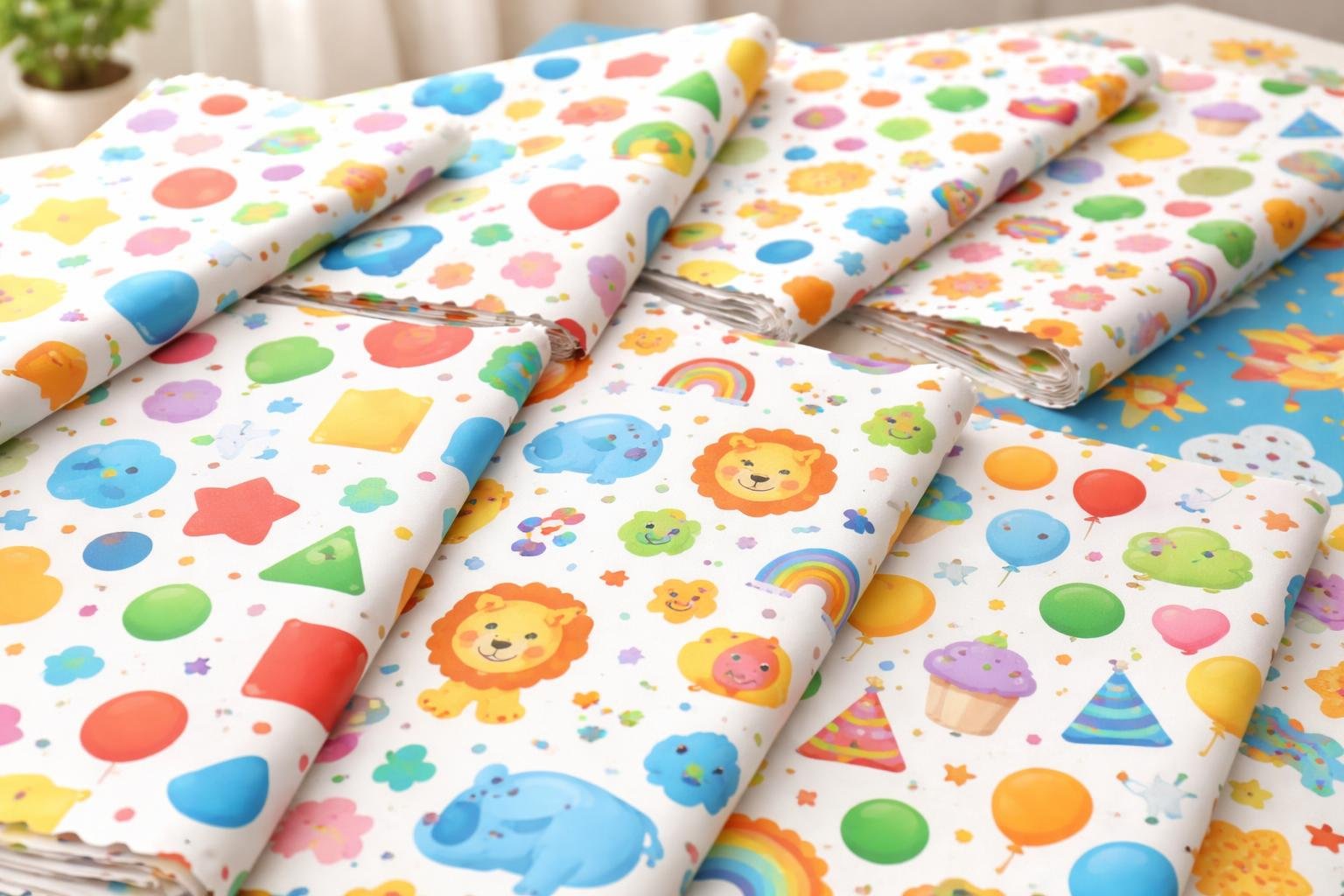
This post breaks down how to explain patterns in a way that really fits kindergarten minds. You’ll get activity ideas you can try right away, plus links to ready-to-print worksheets that save you prep time.
Expect quick, practical tips for circle time, centers, or home use. The goal? Keep kids engaged and actually learning.
Understanding Patterns for Kindergarten
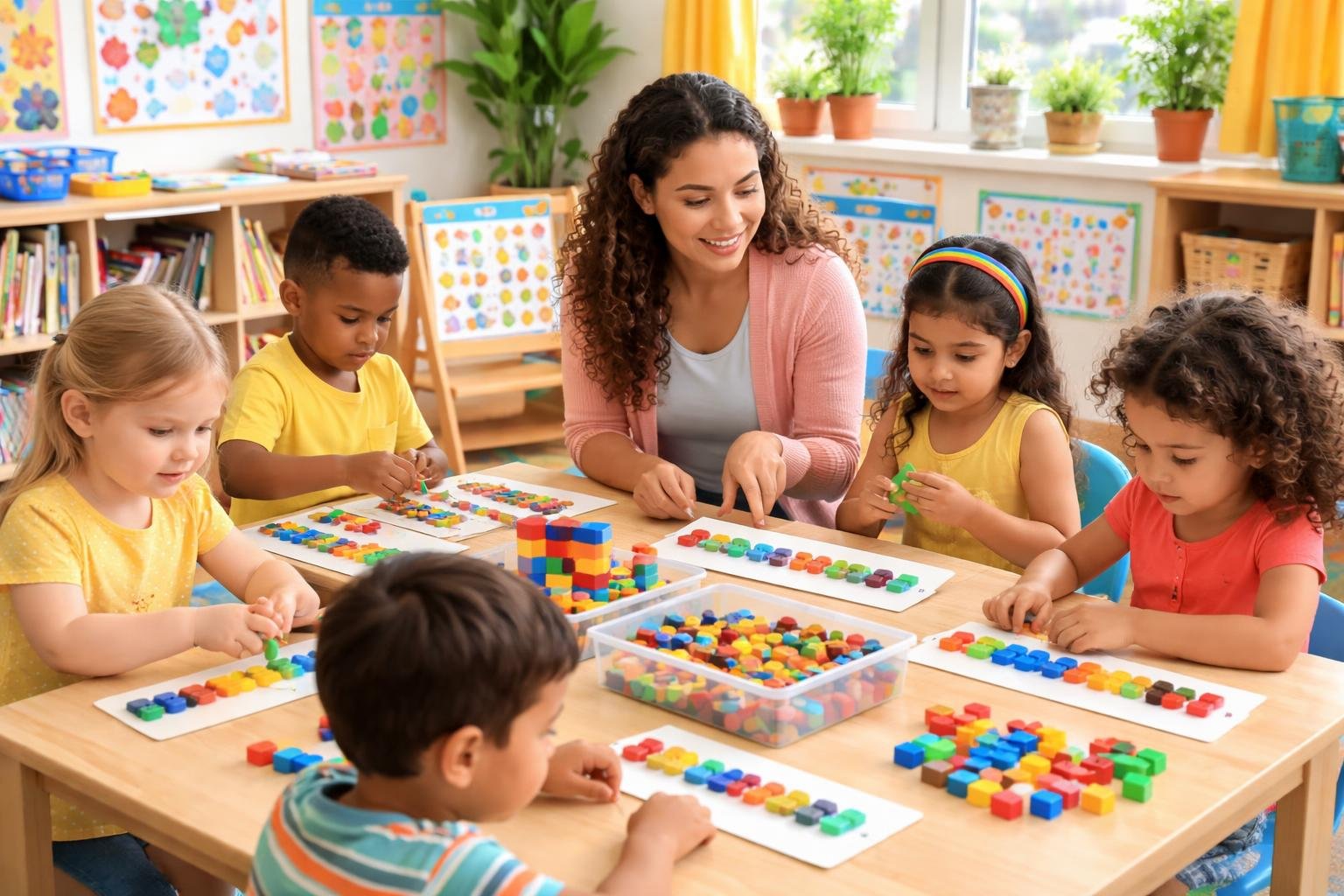
Patterns help you find order in numbers, pictures, and daily routines. Kids learn to spot repeating units, continue sequences, and use simple worksheets to practice these skills.
Importance of Pattern Recognition in Early Learning
Pattern recognition builds a real foundation for both math and reading. When you practice number patterns or picture patterns, your brain gets better at predicting what comes next.
That skill comes in handy when you skip-count, add, or even read sentences. Simple activities like sequencing worksheets with shapes or numbers help a lot.
Ask your child to say or draw the next item. These tasks boost working memory and visual attention, both of which you need for classroom work and following directions.
Types of Patterns: ABAB, AABB, ABC, and More
You’ll notice common patterns written as codes: ABAB (red, blue, red, blue), AABB (circle, circle, square, square), or ABC (triangle, square, circle).
Each pattern type teaches a different rule for repeating or grouping things. Offer picture patterns and number patterns on kindergarten worksheets.
Start with ABAB for easy repetition. Move to AABB for grouping, and try ABC for longer cycles.
Use real objects, beads, or clip art so kids can move pieces around and see the rule for themselves.
Benefits of Pattern Activities for Cognitive Development
Pattern activities build sequencing, attention, and problem-solving skills. When you finish a pattern, you practice predicting and checking answers, which really helps logical thinking.
Working with worksheets and hands-on tasks also builds fine motor skills and confidence. Sequencing worksheets that mix numbers and pictures help you connect counting to visual patterns, getting you ready for early arithmetic and reading.
Popular Pattern Worksheets and Activities
These resources help children spot repeats, continue a sequence, and make patterns with shapes, colors, numbers, and everyday objects.
You’ll find printable sheets, hands-on ideas, and seasonal pages that match classroom goals and home practice.
Printable Pattern Worksheets for Kindergarten
Printable pattern worksheets give kids clear, paced practice. Look for pages with AB, AAB, and ABC patterns using pictures or shapes.
Some good options: shape pattern worksheet (circle-square-circle), number pattern worksheet (1, 2, 1, 2), and animal pattern worksheets with animals as the repeating items.
Many free pattern worksheets let you print multiple copies for morning work or centers. Choose cut-and-paste pattern worksheets for extra fine motor practice.
Worksheets that mix coloring, matching, and filling in missing items support pattern recognition and writing skills. Label each page with the skill (repeat, extend, or create) so you can track progress and pick the right next sheet.
Engaging Pattern Activities and Hands-On Ideas
Hands-on pattern activities make abstract ideas a whole lot clearer. Use beads or LEGO for color and size patterns. Snack patterns (grape-cracker-grape) get instant buy-in from kids.
Movement patterns like clap-stomp-jump teach auditory and gross motor sequencing. Set up simple centers: pom-pom sorting for color patterns, button lines for texture and size, and playdough shape patterns for a bit of sensory practice.
Use printable pattern activities as templates for these centers so children can check their work. Rotate materials each week. That keeps things fresh and helps kids transfer skills between paper and real life.
Seasonal and Themed Pattern Worksheets
Seasonal pattern worksheets connect learning to holidays and topics your students actually care about. Grab a Halloween pattern worksheet with jack-o’-lanterns and ghosts for October—kids love that stuff.
When December rolls around, swap in a Christmas pattern worksheet. Ornament-tree-ornament patterns? Classic. It just feels right.
Themed printable pattern activities fit nicely into units. Farm animals, ocean creatures, or even space shapes can give your lessons a little extra context and fresh vocabulary.
You’ll find plenty of free worksheet sites with themed bundles. Print a bunch and you’re set for the week—no need to overthink it.
Mixing themes with skills can keep things interesting. Maybe try a shape pattern worksheet using pumpkins (like ABBA patterns), or a number pattern worksheet that uses candy canes to count by twos.
It’s a simple way to make practice feel more relevant and, honestly, just more fun for everyone.