
Patterns Around Us: Exploring Types, Examples, and Meanings
You see patterns everywhere—leaves, tiles, your clothes, and even in numbers. They help you predict, stay organized, and make sense of things.
When you spot these repeated shapes or sequences, you can solve problems faster, notice hidden details, and make smarter decisions—at school, work, or just in daily life.
As you dig into how patterns show up in nature, design, and math, you’ll start to notice the rules hiding behind what looks random. You can use those rules to explain why things look and act the way they do.
This article brings you some clear examples and simple ideas that make patterns feel a bit more useful—and honestly, a lot more interesting—in your everyday world.
Understanding Patterns Around Us

You’ll find out what a pattern really is, the most common types you bump into, and how noticing them helps you make better choices.
Expect examples from nature, numbers, and even daily routines. It’s all about making each idea click.
What Is a Pattern?
A pattern is just something that repeats and feels predictable. It could be shapes, sounds, actions, or numbers that follow a rule you can spot.
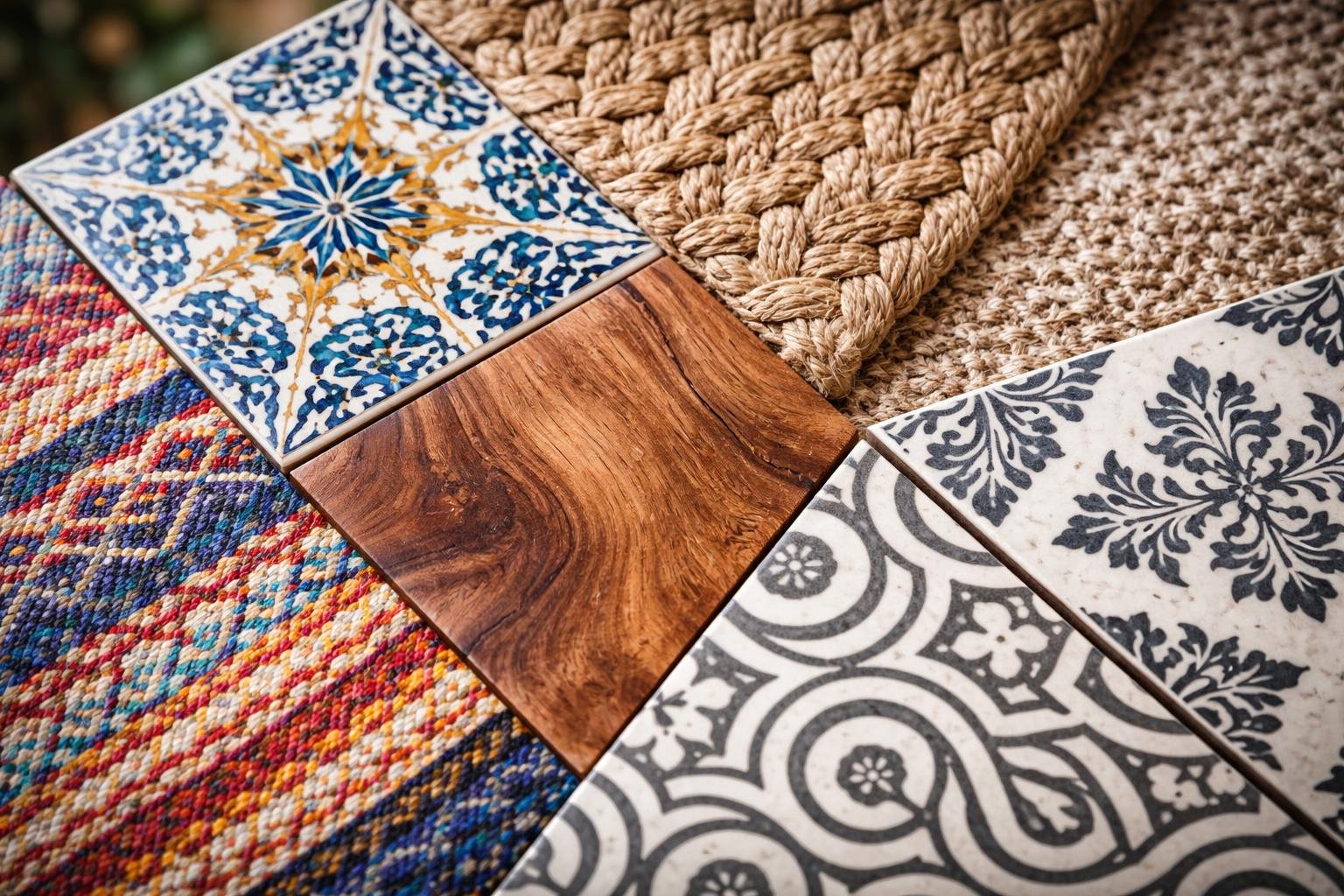
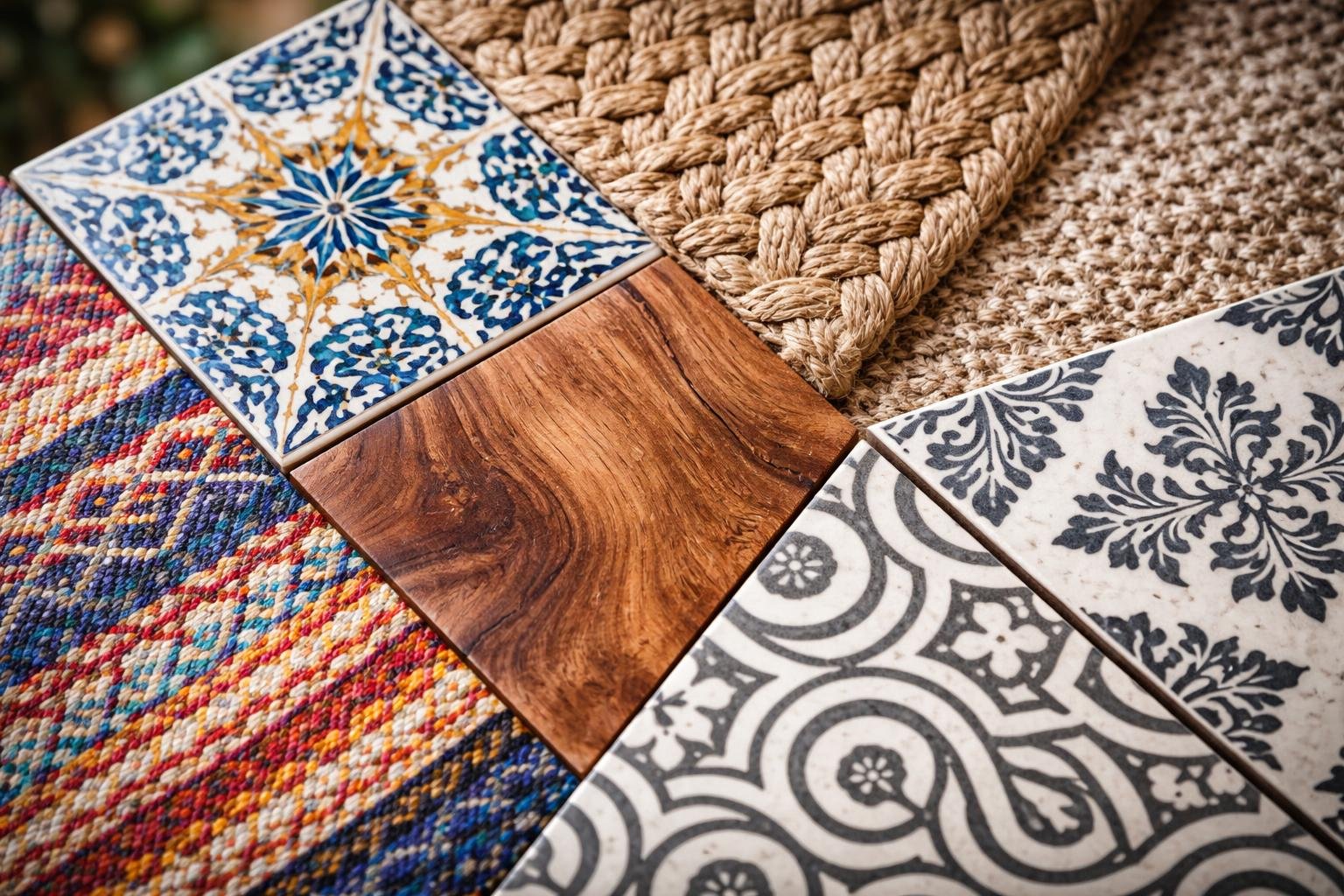
Take a tiled floor, for example. The same tiles repeat in a set order.
Counting? Even and odd numbers form their own pattern—like 2, 4, 6, 8.
Think about music: a drumbeat that repeats every four counts creates a rhythm pattern.
Patterns help you organize things in your mind. When you recognize a pattern, you can guess what comes next.
That skill makes planning your day, solving a puzzle, or reading a graph a whole lot easier.
Types of Patterns
Patterns pop up in a bunch of ways:
- Repeating patterns: A-B-A-B, like red-blue-red-blue bracelets.
- Growing patterns: Each step adds more, like 2, 4, 8, 16.
- Symmetry patterns: Mirror images, like butterfly wings.
- Spatial patterns: The way buildings or city blocks are laid out.
- Temporal patterns: Things that repeat over time, like weekdays and weekends.
You’ll also spot numeric, visual, and sound patterns. Each one follows a rule—maybe it repeats, adds, mirrors, or cycles.
Try to continue the pattern or change something to see if the rule still fits. That’s usually a good test.
Why Patterns Matter in Daily Life
Patterns help you predict and plan. If your bus shows up every 15 minutes, you know when to leave.
If a plant always blooms in spring, you can plan your gardening or farming tasks.
Patterns make problem-solving quicker. In math, spotting a pattern means fewer steps and less guesswork.
When you notice traffic patterns at an intersection, you can cross the street more safely.
You can use pattern knowledge for studying, working, or hobbies. Track your routines to build better habits.
Spot design patterns to improve your art or architecture. Noticing patterns gives you a bit more control over everyday stuff.
Everyday Examples and Significance of Patterns
Patterns help you spot order and make predictions. You’ll see repeating shapes in plants and animals, balanced designs in objects, and number rules in lists and sequences.
Patterns in Nature
Look at sunflower seeds, pinecones, or snail shells. You’ll see spirals that pack space really efficiently.
These spirals often follow the Fibonacci sequence, so each new piece fits in just right.
Leaf veins, tree branches, and river networks all show branching patterns. They move water and nutrients across big areas.
Animal markings—like zebra stripes or leopard spots—give camouflage or send signals to other animals.
Snowflakes and crystals show symmetry, even when you zoom way in. Weather systems and waves form repeating patterns you can track over several days.
Geometric Patterns and Symmetry
Geometric patterns use repeating shapes—hexagons in honeycombs, tiles in fish scales, and those wild tessellations on some shells.
These shapes save space or add strength. Hexagons, for example, use the least material to hold the most volume.
Symmetry means something mirrors itself. You see bilateral symmetry in faces and butterflies, and radial symmetry in starfish or flowers.
Symmetrical patterns often signal health or function. You’ll notice them in design, art, and architecture—they just feel balanced and familiar, don’t they?
Number Patterns: Sequences, Odd Numbers, and Even Numbers
Sequences usually follow clear rules you can actually test out for yourself. Take the Fibonacci sequence, for example—you just add the two previous numbers to get the next one: 1, 1, 2, 3, 5, 8.
You might spot these kinds of patterns in how plants grow or how seeds arrange themselves. It’s honestly kind of fascinating.
Even numbers? You can split them by two without any leftovers. Odd numbers, on the other hand, always leave one behind when you try to pair them up.
Here’s a quick trick: if a number ends in 0, 2, 4, 6, or 8, it’s even. If it ends in 1, 3, 5, 7, or 9, it’s odd.
These little rules can help you sort things, plan how you lay stuff out, or even just make sense of patterns you run into all the time.