Patterns and Their Names: Essential Guide to Types and Examples
You spot a pattern you love, but what’s it actually called? Knowing common names—like stripes, paisley, plaid, floral, and geometric—makes it so much easier to describe, shop for, or create with confidence.
This guide walks you through the main pattern families and some of the most notable names, so you can pick out and use patterns without second-guessing yourself.
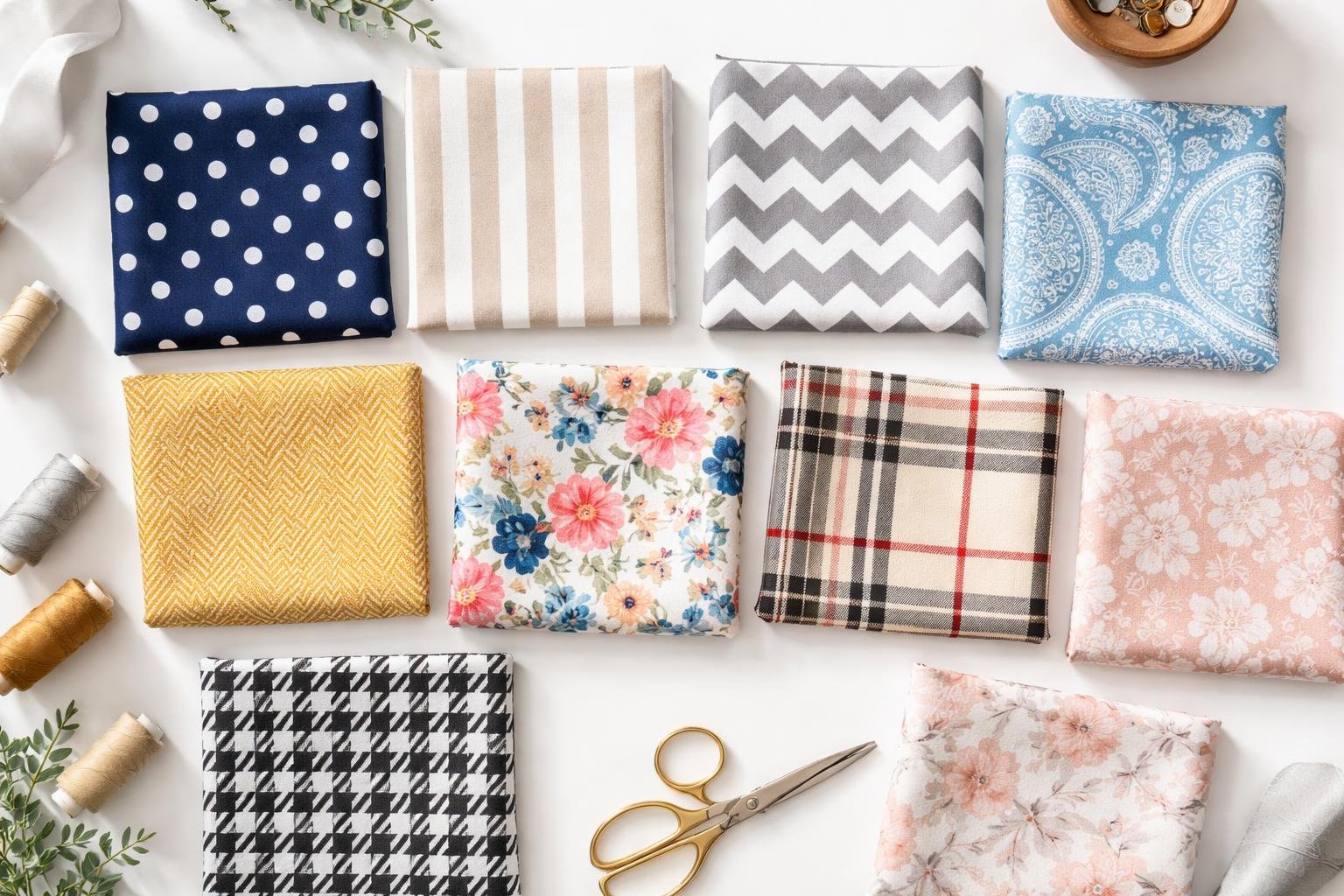
You’ll find the basic pattern types here, plus where those specialized names fit in. I’ve included simple definitions and examples to help you match a pattern to its name, and maybe even its best uses.
Fundamental Pattern Types and Their Names
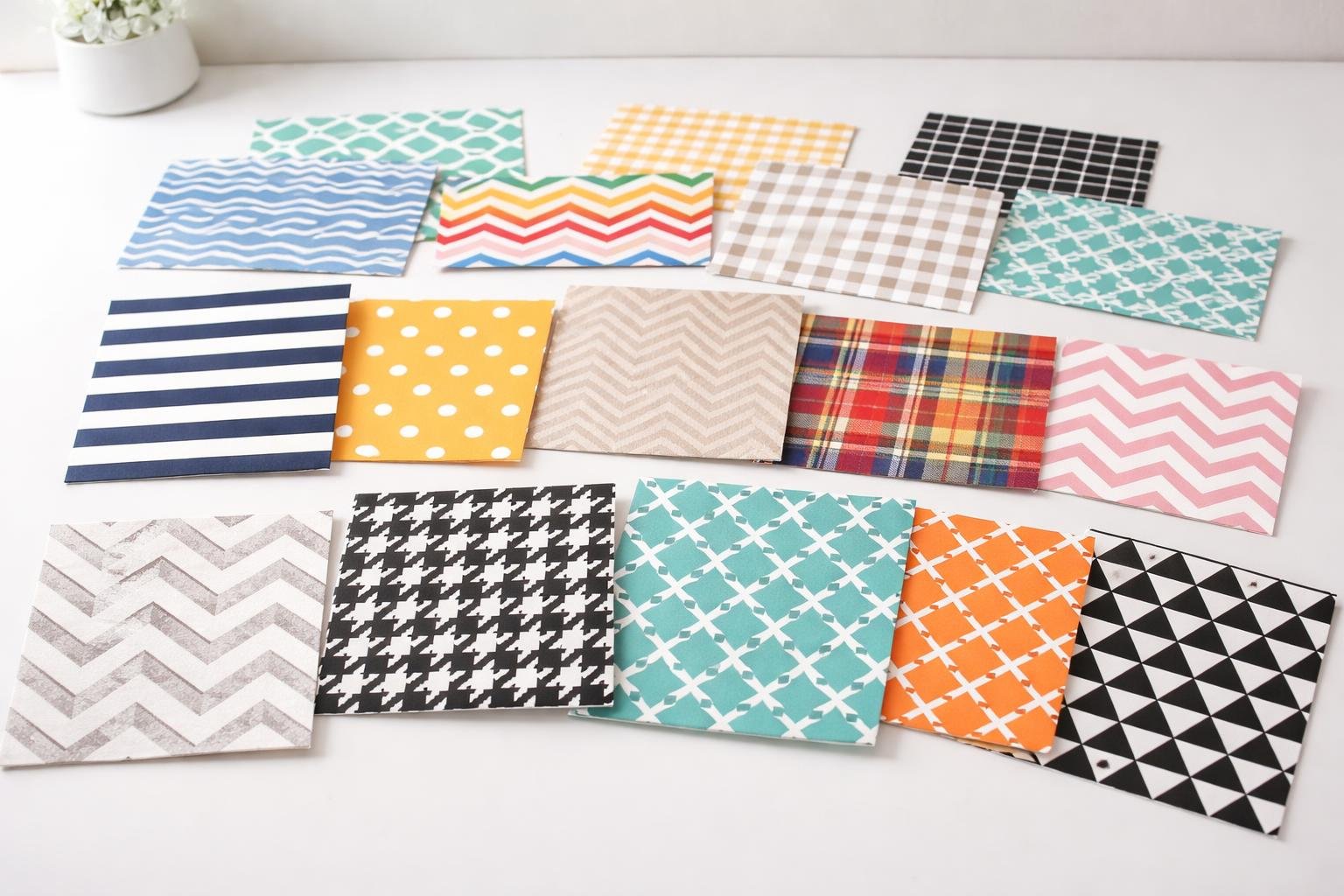
Let’s break down the common pattern families and see how designers use them. Shape, repeat, and typical uses matter when you’re picking the right design.
Geometric Patterns
Geometric patterns repeat simple shapes—think squares, triangles, circles, chevrons. These patterns stick to rules of alignment and repeat, so they look orderly on fabric or wallpaper.
Some popular geometric names: chevron (that zigzag stripe), herringbone (those staggered V’s), honeycomb (hexagons in a grid), and lattice (crisscrossed lines forming diamonds).
Geometric patterns work especially well for modern, minimalist, or architectural styles. You can scale them—small repeats fit shirts and accessories, while bigger ones suit drapery or upholstery.
When you pick a geometric, check the repeat size and direction. That way, seams and matching won’t end up crooked or awkward.
Floral Patterns
Floral patterns show off flowers, leaves, vines, or bouquets in repeating layouts. You’ll see everything from tiny ditsy prints to huge botanical panels.
Common names include ditsy (small, scattered florals), chintz (glossy fabric with detailed flowers), and botanical (realistic plant studies).
Florals can feel vintage, romantic, or even super fresh, depending on scale, colors, and line style. Small florals work for blouses or linings; bold, oversized panels make dresses or statement curtains pop.
Think about contrast, too. High-contrast florals look bold from far away, while low-contrast ones just add soft texture.
Striped Patterns
Stripes use parallel lines that change in width, color, or direction. You’ll find vertical stripes (they lengthen), horizontal stripes (they widen), pinstripes (super thin lines), and candy or barber pole stripes (even, bold bands).
There are also tonal stripes, where the color change is really subtle.
Stripes are incredibly versatile for both clothes and interiors. Vertical stripes slim and lengthen; horizontal ones add width.
It’s smart to match stripe scale to body size or room size, and always check the repeat so seams and patterns line up.
Checkered and Plaid Patterns
Checkered and plaid patterns create grids with intersecting lines and color blocks. Checks use simple square repeats—like gingham (even, woven checks) or chessboard-style checks.
Plaid and tartan overlap stripes in different widths, making that classic multi-color grid. Tartan usually connects to specific clans or regions.
Checks and plaids add structure and rhythm to clothes and interiors. Gingham gives a casual, clean vibe, perfect for shirts or tablecloths.
Tartan and classic plaids feel traditional or heritage, but modern ones might use unexpected color combos for a fresh look. Always match the pattern’s scale and weave to your project so checks and plaids stay crisp.
Notable and Specialized Pattern Names
You’ll spot these patterns in clothes, home decor, and accessories. Some are historical, others are modern twists, but each serves a particular visual or functional purpose.
Animal and Nature-Inspired Patterns
Animal prints copy the markings of real creatures. Leopard, cheetah, and zebra prints bring spots or stripes that really stand out in fashion pieces, accents, and upholstery.
Leopard and cheetah often show up in coats, shoes, or pillows. Zebra gives you a bold stripe for cushions or rugs.
Camouflage and camo patterns borrow shapes from nature to break up outlines. You’ll see military-style camo in jackets and backpacks, while fashion camo plays with color for streetwear.
Botanical and leaf motifs appear as batik or printed florals, often paired with bohemian styles.
Animal patterns also pop up in woven and printed textiles like ikat and toile. These use stylized birds or foliage in repeating designs—great for curtains or bedding when you want a nature theme without going for total realism.
Classic Decorative Patterns
Classic decorative patterns come from historic art and architecture. Damask uses woven jacquard repeats with florals and scrolls—perfect for formal drapes or upholstery.
Paisley gives you that teardrop motif from Persia and India. You’ll find it on ties, scarves, or bedding.
Geometric classics include argyle, harlequin pattern, and quatrefoil. Argyle’s overlapping diamonds feel right at home in knitwear. Harlequin diamonds add playful energy to wallpaper or tiles.
Quatrefoil and trellis patterns borrow from Gothic or Islamic designs, and they look great on rugs or tiles.
Architectural motifs like Greek key, ogee pattern, and Jacobean embroidery bring structure and a bit of drama. Greek key borders work for trims, while ogee’s S-curve pops up on tiles or molding. Jacobean designs use stylized flowers in embroidery for upholstery or heritage clothing.
Abstract and Contemporary Patterns
Abstract patterns lean into shape, repetition, and texture more than literal images. You’ll spot the chevron pattern and herringbone pattern with their V and broken-V arrangements—chevron pops up on throws and rugs, while herringbone shows off in suit fabrics and even on floors.
Pinstripe and awning stripes bring a steady, linear rhythm to shirts, suits, or, unsurprisingly, awnings.
Modern abstracts? They get a little wild with freeform geometrics and bold repeats, usually labeled as abstract patterns or geometric prints. Trellis and quatrefoil keep coming back, just in bigger, more dramatic scales for wallpaper or tile.
People often use techniques like embroidery and jacquard to mix abstract motifs with texture. It’s a nice way to add some depth, honestly.
You’ll run into hybrid styles, too. Take chinoiserie—it mixes Eastern motifs with Western layouts in a way that feels both classic and fresh. Ikat fabric and batik stand out with their resist-dyeing effects, creating those blurry, painterly patterns you see on clothing and home textiles.