Kinds of Pattern: A Comprehensive Guide to Fabric and Design Types
Patterns show up everywhere—your clothes, art, and just about anything around you. Knowing the kinds of patterns out there makes it so much easier to pick, create, or even just recognize the right design on the fly.
You’ll find patterns grouped into geometric, organic, repeating, and decorative types, and each one brings its own vibe and function to a design.
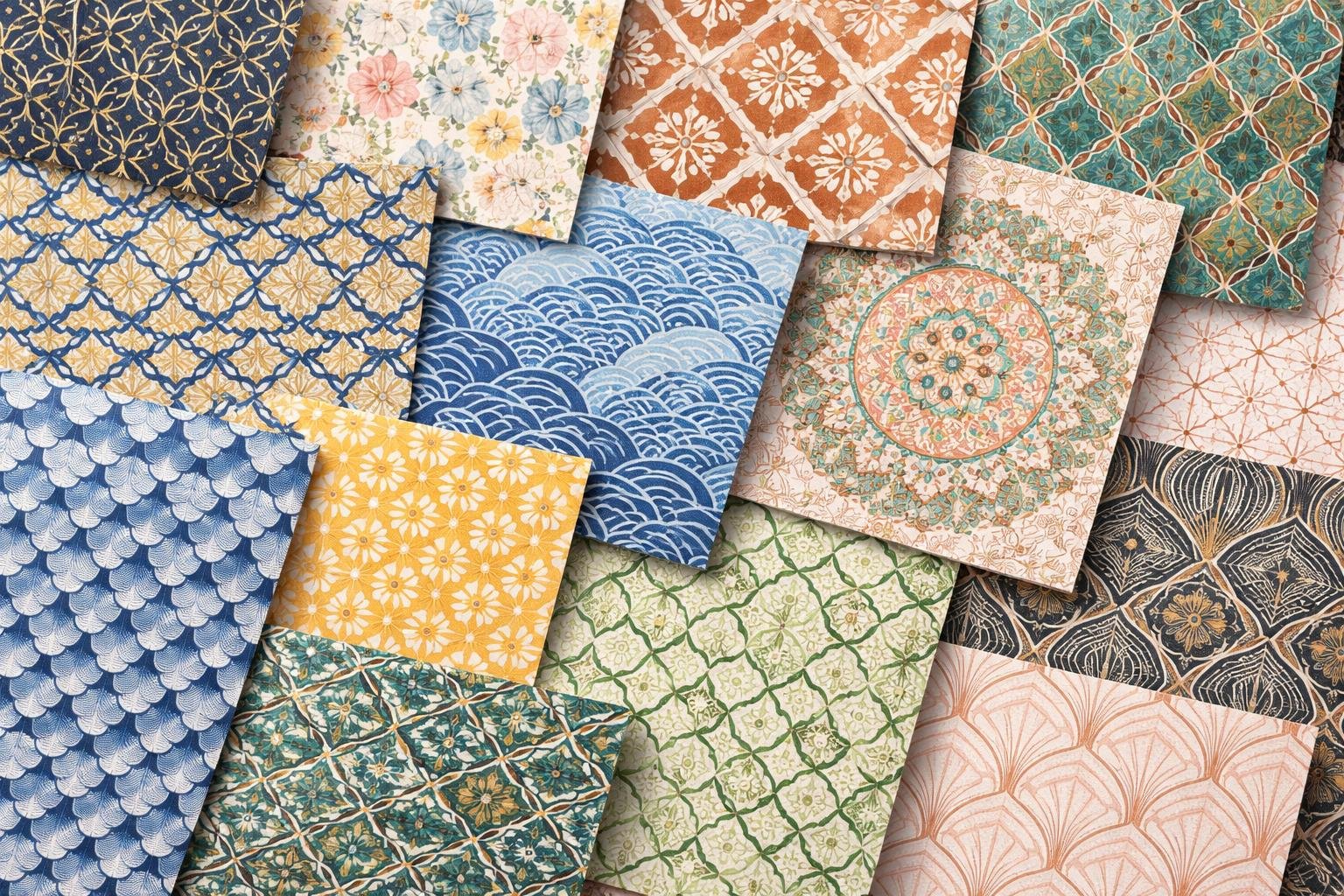
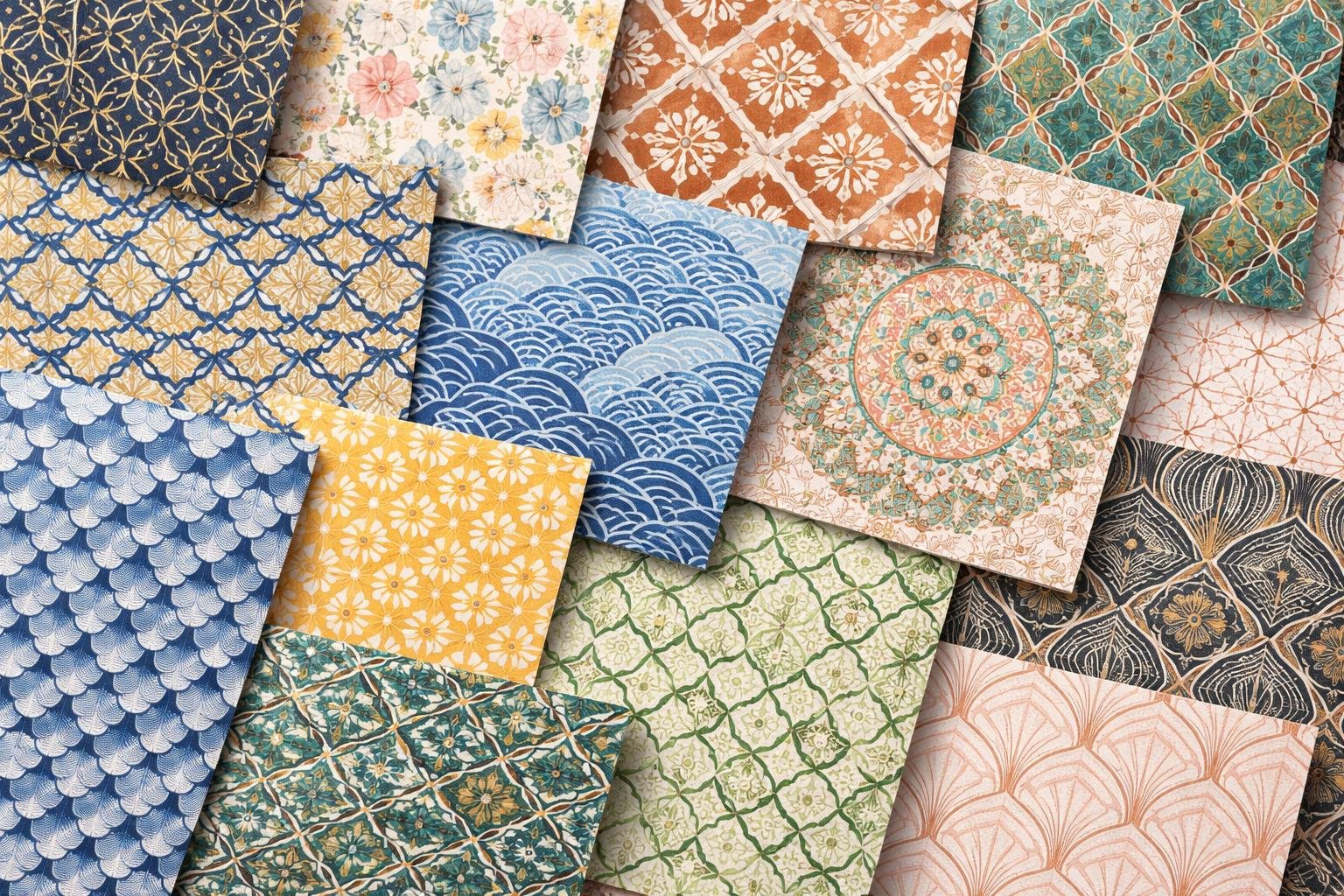
Let’s break these groups down and look at some specialized patterns you’ll spot in fabric, art, and design. If you’ve ever wondered what makes a stripe different from a paisley or an ikat, you’re in the right place.
We’ll also cover a few quick ways to compare pattern types and help you pick the best one for your next project.
Fundamental Kinds of Pattern
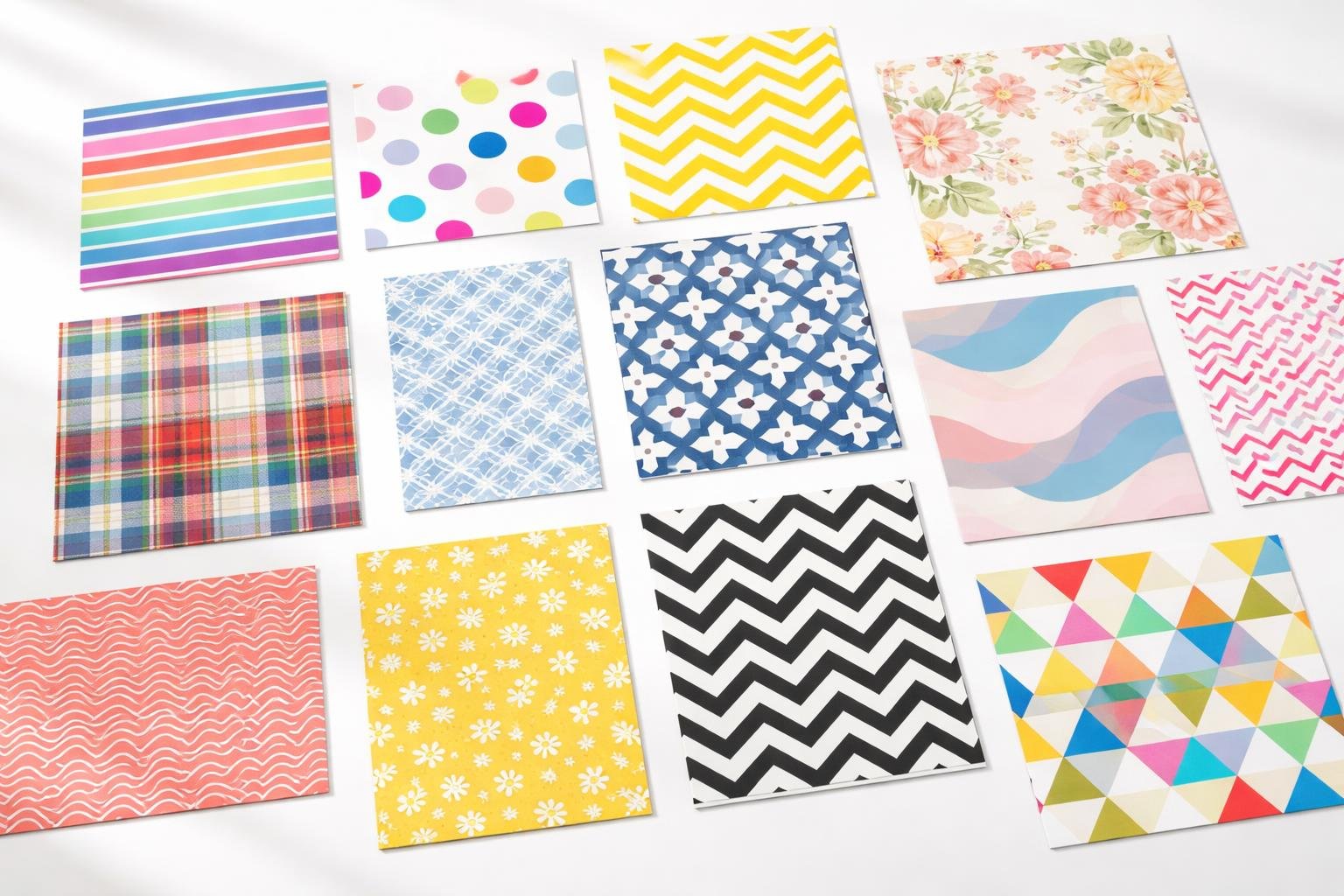
Patterns start with precise shapes, natural forms, or simple repeats that organize color and space. Each type below follows some basic rules you can spot when you’re designing, sewing, or just admiring art.
Geometric Patterns
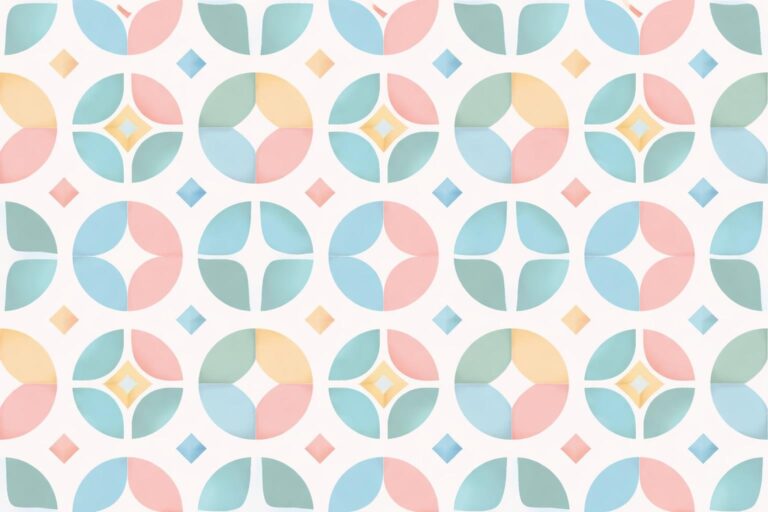
Geometric patterns use circles, squares, triangles, and polygons to build repeatable motifs. You’ll see these everywhere from tile work to modern textiles and graphic design, especially where alignment really matters.
These patterns depend on math—grids, tessellations, and radial symmetry help you place everything so the repeat feels solid.
You’ll find checkerboard and harlequin layouts, windowpane and grid checks, and all sorts of repeating polygons. Change up the scale, color contrast, or spin the shapes, and you can create wild optical effects.
Geometric patterns pair nicely with abstract motifs and really shine when you want a clean, structured look.
Floral and Botanical Patterns
Floral patterns repeat leaves, flowers, vines, or botanical shapes. Sometimes you get tiny ditsy prints on fabric, and sometimes it’s a huge botanical mural.
Styles range from super realistic to totally stylized, and techniques like batik bring in extra texture and color.
You can play with scale, density, and direction. Small scattered blooms feel peaceful, while dense vines add a rich, textured vibe.
Floral patterns mix organic curves with repeating rhythms, so they balance out nicely with geometric or stripe patterns when you’re layering designs in clothes or interiors.
Check, Plaid, and Checked Patterns
Check and plaid patterns combine horizontal and vertical bands to make squares and rectangles. Gingham and windowpane checks use even stripes to create tidy grids.
Tartan and plaid add color changes and uneven bands, creating motifs linked to families or clans.
There’s buffalo check (those big bold squares) and subtle windowpane (thin intersecting lines). Change the color contrast, scale, or line thickness and you get a whole new mood.
Checked patterns work great for shirts, upholstery, and branding because they’re easy to spot even from a distance and repeat well across seams.
Stripe Patterns
Stripe patterns line up parallel lines in one direction—vertical, horizontal, or even diagonal. You can mess with width, spacing, and orientation for different effects, like making something look taller (vertical stripes) or more grounded (horizontal bands).
Multi-color stripes add rhythm, and mixing thick with thin lines creates a sense of movement.
Stripes show up in everything from classic nautical shirts to modern minimalist rooms. They play well with geometric shapes and make a good backdrop for florals or abstract patterns.
If you use stripes, check the alignment at joins and think about the scale—otherwise, you might end up with some weird visual effects.
Notable and Specialized Pattern Types
Some patterns carry history, craft, and function all at once. Think bold animal prints and military camo, or ornate woven designs, and special dye or weaving styles tied to particular regions.
Animal and Camouflage Patterns
You’ll spot animal prints by their fur, skin, or scale-inspired shapes. Leopard and cheetah prints use clusters of spots in various sizes to look natural.
Zebra prints stand out with bold black-and-white stripes running across fabric. Designers play with scale and repeat to make these patterns look realistic or totally stylized.
You’ll see animal prints on clothes, upholstery, and accessories all the time.
Camouflage patterns work by blending into surroundings with irregular shapes and muted colors. Classic woodland camo mixes greens and browns, while digital camo uses little pixel blocks for a modern twist.
Camo isn’t just for the military—streetwear designers love to flip the script and make it a fashion statement.
When you pick animal or camo prints, match the pattern’s scale to the item. Small repeats fit shirts and scarves, while big repeats work for coats or curtains.
Paisley, Damask, and Ornamental Patterns
Paisley is all about those teardrop shapes with curled tips and little floral details inside. You’ll see it on shawls, ties, and bedding.
Color contrast matters here—paisley works best when the foreground and background stay clear, so you can spot those curves even at small sizes.
Damask uses a reversible woven motif with matte and shiny contrasts. It usually features medallions, vines, or fleur-de-lis elements and pops up in upholstery, drapes, and formal clothes.
Damask comes from jacquard weaving, giving it that raised look, so fabric weight and sheen really matter when you’re picking it.
Ornamental patterns like chinoiserie and baroque use borders and medallions to create framed scenes or repeated motifs—perfect for big surfaces like wallpaper and table linens.
Ikat, Jacquard, and Ethnic Patterns
Ikat patterns start with resist-dyeing the yarns before anyone even weaves them. You’ll spot those soft, blurred edges where the colors meet—that halo effect is classic ikat.
Designers play with ikat motifs, from simple geometric bands to more complex repeats. You’ll find these in textiles from Southeast Asia, Central Asia, and South America.
Jacquard describes the weaving method that lets makers create detailed, sometimes oversized patterns. Think damask or bold medallions. You get crisp motifs like borders, medallion centers, or textured florals, all woven in—not printed.
Jacquard fabrics can feel totally different, too. They range from lightweight brocades to heavy, sturdy upholstery.
Ethnic patterns? Those include African prints like Ankara. You’ll see bold geometric repeats and colors that really pop.
These patterns often mix borders and medallions, telling stories through their designs. If you’re picking ethnic or technique-based patterns, think about where they come from, the scale of the motifs, and whether you need to line up the design with a border or repeat.