Maths in Our Daily Life: Essential Applications and Everyday Examples
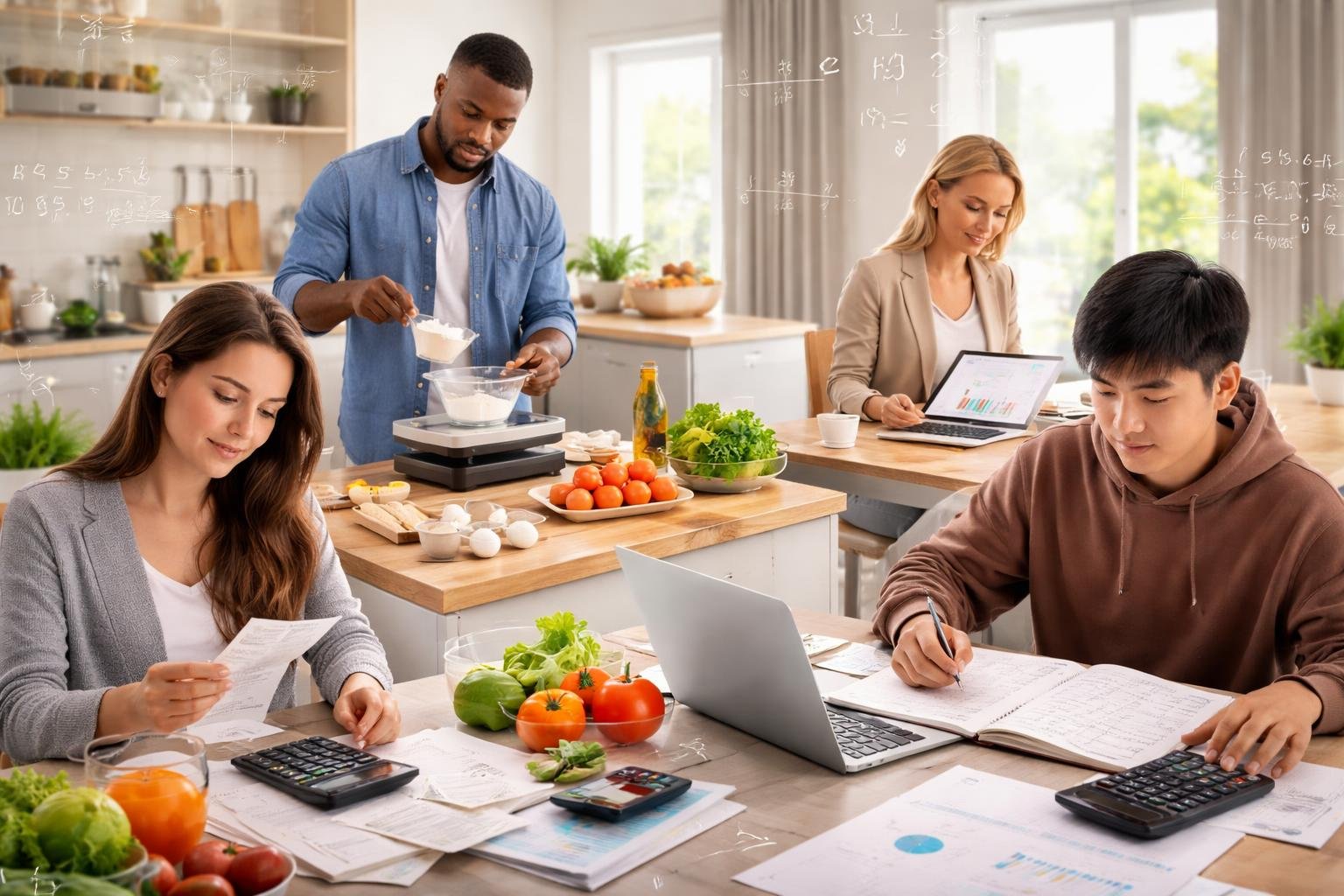
You use maths every day, often without even realizing it. Whether you’re checking prices, planning a trip, timing a workout, or cooking dinner, you end up doing quick calculations and using basic logic.
These little moments help you make smarter choices and can save both time and money.
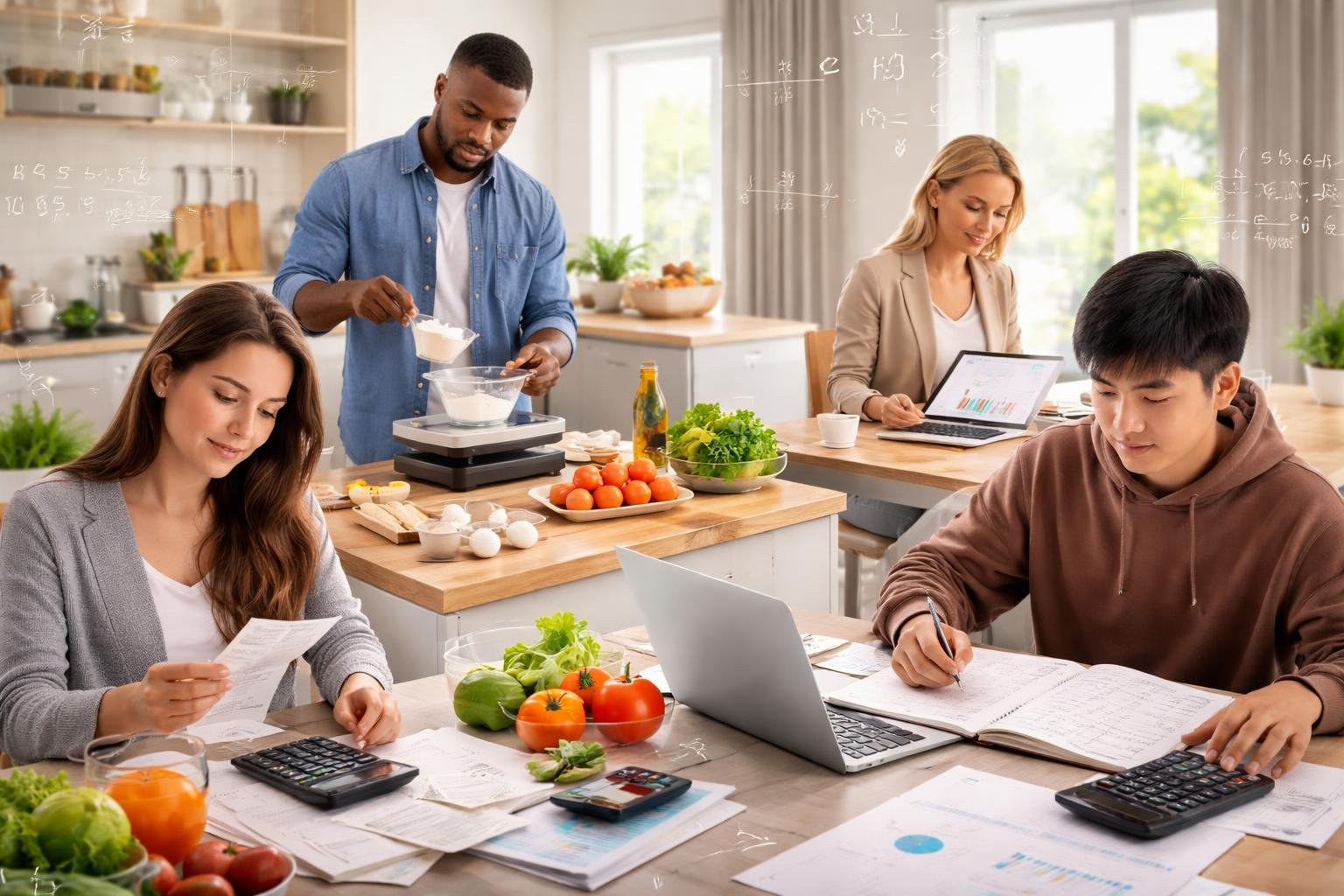
Maths comes in handy for solving problems like budgeting, measuring, and predicting outcomes. Picking up a few practical tools can make daily life so much easier. Here, you’ll find clear examples of how to use maths for decisions, plus real-world tasks where numbers really matter.
Look out for tips on using maths for quick choices, real-life scenarios you can try, and simple tricks to make numbers work in your favor.
Using Maths for Everyday Decisions
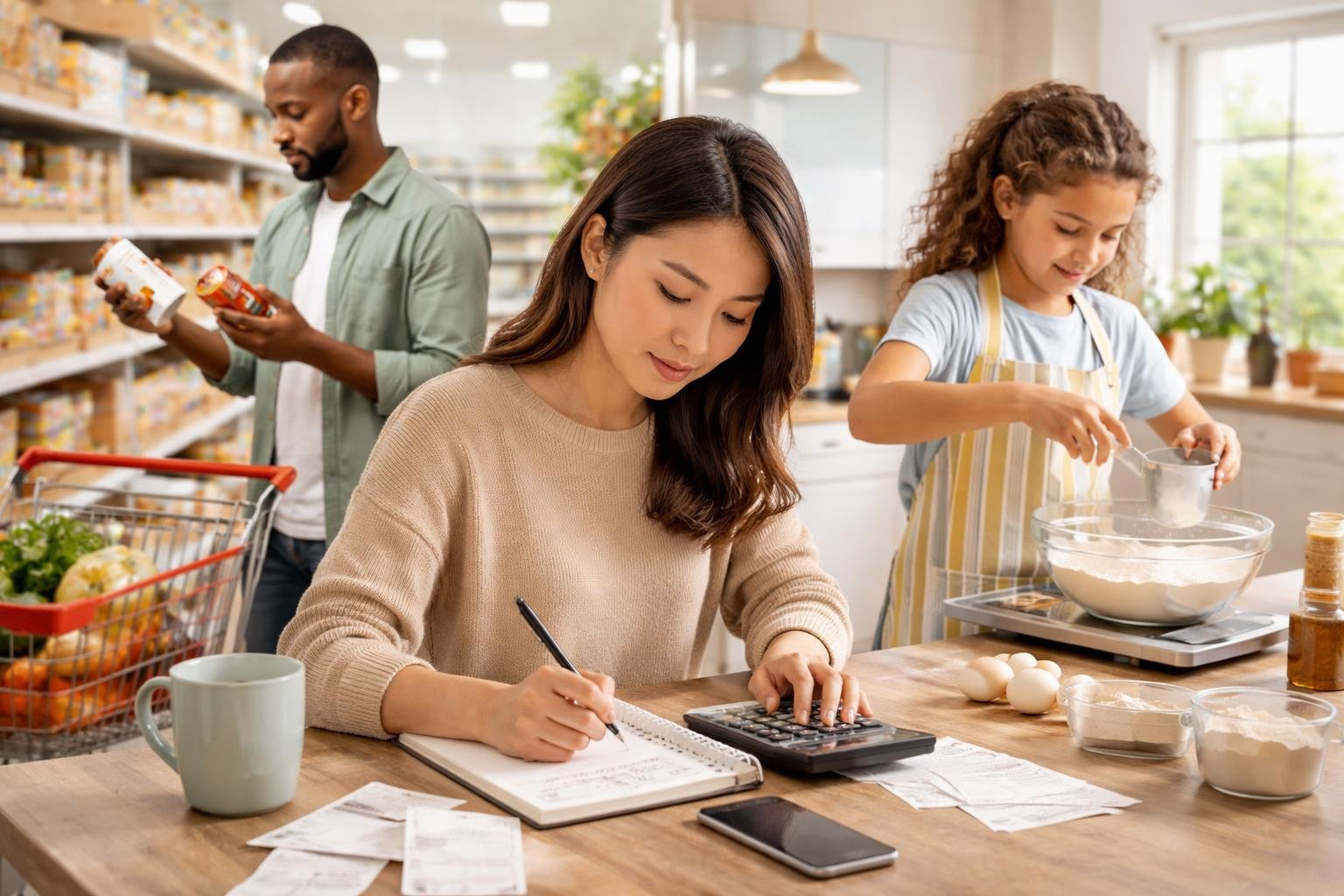
You lean on basic math to make clearer choices about money, time, food, and shopping. Percentages, ratios, and simple arithmetic help you save cash, avoid wasting stuff, and plan your day a bit better.
Budgeting and Managing Personal Finance
Start your monthly budget by listing all your income and fixed expenses. Subtract your bills to see what’s left for savings and variable costs.
Use percentages to set goals—maybe you aim to save 10% of your income or keep housing under 30%.
When you deal with loans or credit cards, figure out the interest using simple rates to compare the total cost. Here’s a quick formula: monthly interest ≈ (annual rate ÷ 12) × balance.
Extra payments can cut down interest and shorten loan terms, so it’s worth checking the numbers.
Track your spending in a table or spreadsheet. Add columns like Date, Category, Amount, and Running Balance to spot patterns and trim unnecessary expenses.
A bit of arithmetic each week helps keep your budget on track.
Shopping, Price Comparisons, and Discounts
Compare unit prices to find the best deal. Divide the total price by weight or quantity—£2.40 for 400g is £0.006 per gram.
This lets you see which package gives you more value.
Calculate discounts using percentages. For 25% off, multiply the price by 0.75.
For stacked discounts, apply each one separately instead of adding them together. Always check the final price after tax or service fees.
In the store, use a quick checklist: compare unit price, check expiration dates or brands, and calculate the final cost with discounts and taxes.
If you buy in bulk, estimate how long it’ll last using ratios so you don’t end up wasting food. A bit of quick mental math can save money and stop impulse buys.
Cooking, Baking, and Measuring Ingredients
Follow recipes by converting units and scaling portions. Want to double a recipe? Multiply each ingredient by 2.
For half, just divide by 2. Ratios help you keep texture and taste consistent, which really matters in baking.
Convert units on the fly—3 teaspoons equals 1 tablespoon, and grams to cups might need a conversion chart.
Measuring tools and a bit of math help you avoid mistakes. If a recipe calls for 250g but you only have measuring cups, convert before you start.
Adjust cooking times when you change portion sizes or oven temperatures. Use proportion to estimate new times—if you halve the mass, cooking time often drops, but check with a thermometer to be sure.
Proper measurement means less waste and better results.
Time Management and Scheduling
Plan your day by breaking tasks into minutes and adding them up into real blocks of time.
If you have three tasks—30, 45, and 20 minutes—that’s 95 minutes total. Schedule accordingly.
Add a buffer for delays: tack on 10–20% extra time for surprises.
Use percentages to split your time—maybe 60% on tough topics and 40% on review. A timer helps you track how long things actually take.
Create a simple weekly table with fixed commitments, then fill in the rest with flexible tasks.
This visual math makes it easier to spot free time, avoid overbooking, and focus on what matters most.
Real-World Applications of Mathematics
Maths isn’t just for school—it pops up at home, in sports, during travel, with tech, and even in weather forecasts.
You use measurement, shapes, basic algebra, and a bit of stats to make decisions and solve everyday problems.
Home Improvement and Geometry in Daily Life
When you paint a room, you measure and use geometry to work out the wall area in square metres or feet.
Measure the length and height, multiply, then subtract windows and doors. That way, you buy the right amount of paint.
For flooring or tiles, area formulas help, and sometimes you’ll use trigonometry for odd angles.
If you’re into DIY, you use algebra to scale plans and figure out quantities.
Geometry helps you cut boards at the right angle, check right angles with the Pythagorean rule, and estimate waste.
A simple spreadsheet or calculator can convert units and total costs so you don’t blow your budget.
Sports, Fitness, and Health Calculations
You track performance with numbers—time, distance, sets, and reps.
Basic algebra helps you plan pace (distance ÷ time) or splits for a run.
Body Mass Index (BMI) uses a simple formula: weight divided by height squared. It’s not perfect, but it gives a rough idea of weight range.
Coaches and athletes use stats to compare results. In some sports, trigonometry comes in handy for angles—think golf or soccer.
Calculus shows up in advanced motion analysis, but most of the time, you stick with averages, percentages, and ratios to set goals and check progress.
Travel, Engineering, and Technology
When you plan a trip, you use arithmetic to budget fuel and costs.
Algebra helps you estimate arrival times. Engineers rely on calculus, algebra, and geometry to design bridges, roads, and vehicles that work safely and efficiently.
Technology runs on maths—algorithms, data compression, and network speeds all need numbers.
You see maths in GPS routing (geometry and trigonometry), phone battery estimates (rates and percentages), and when you compare internet plans using ratios and unit costs.
A bit of clear measurement and calculation can save time and money every time you travel.
Weather Forecasting, Probability, and Data
Weather forecasts come from models that rely on calculus, statistics, and probability. These models turn raw measurements into predictions that we can actually use.
Meteorologists gather temperature, pressure, and humidity data. Then, they run equations to simulate how air moves and figure out the odds of rain.
When you see a “40% chance of rain,” you’re already using probability—do you grab the umbrella or risk it? Basic statistics also let you spot trends in your local weather or even health data.
If you get a handle on averages, spread, and likelihoods, you can make smarter choices. Numbers start to feel a bit less mysterious, and you don’t have to just guess anymore.