
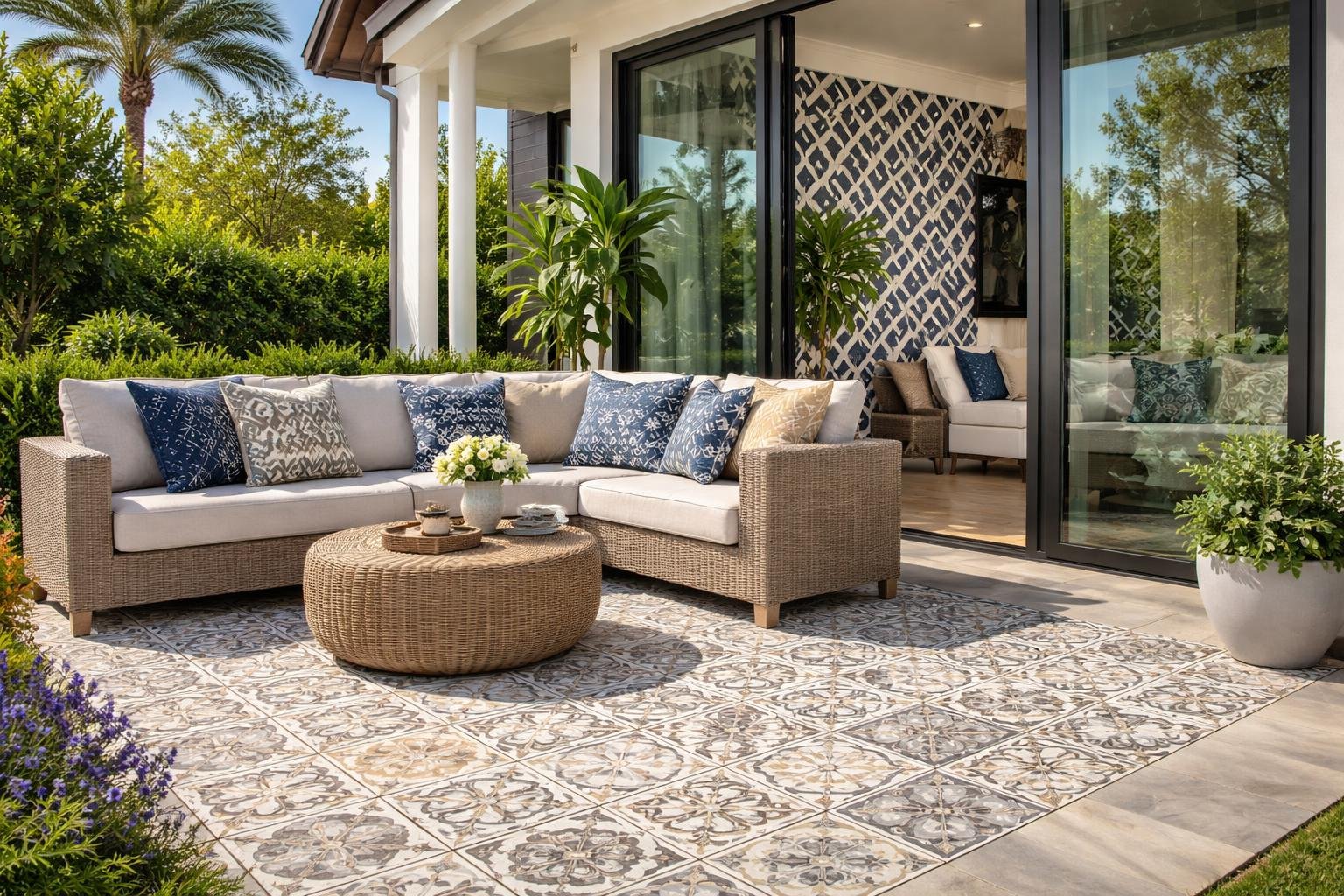
Patterns Around the House: Inspiring Ideas for Home Decor
You can spot interesting patterns everywhere at home—on wallpaper, rugs, tiles, or even just the way sunlight filters through the blinds.
Try using those patterns to make your space feel a bit more balanced, lively, or calm. It all depends on the mix and scale you choose.
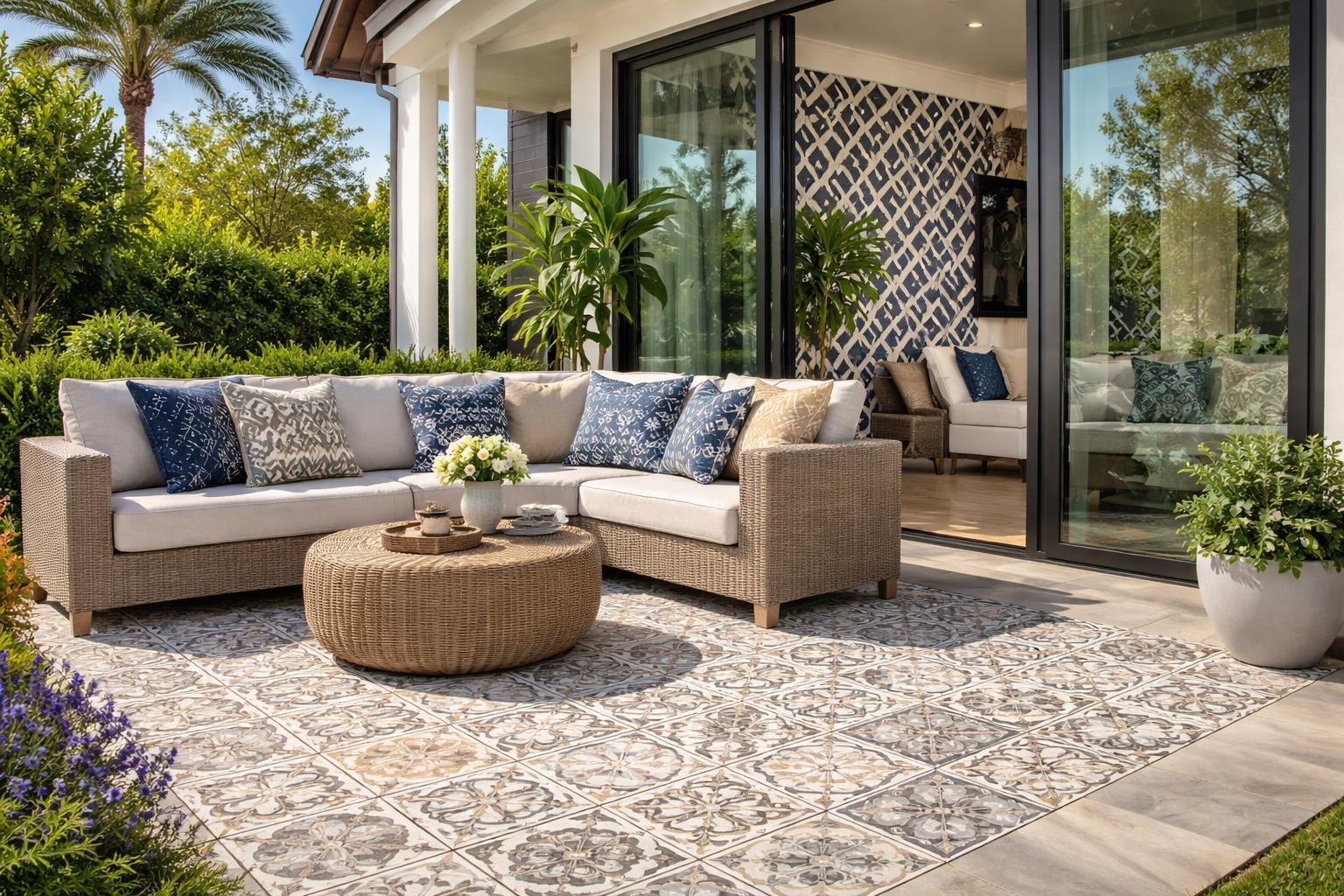
Patterns can be simple natural repeats or bold geometric shapes, and knowing which type to use helps you add personality without overwhelming your space.
Stick around and you’ll see how to spot common patterns at home. I’ll share easy ways to bring them into quick decor projects that refresh a room—without a ton of effort or cash.
Types of Patterns Commonly Found Around the House
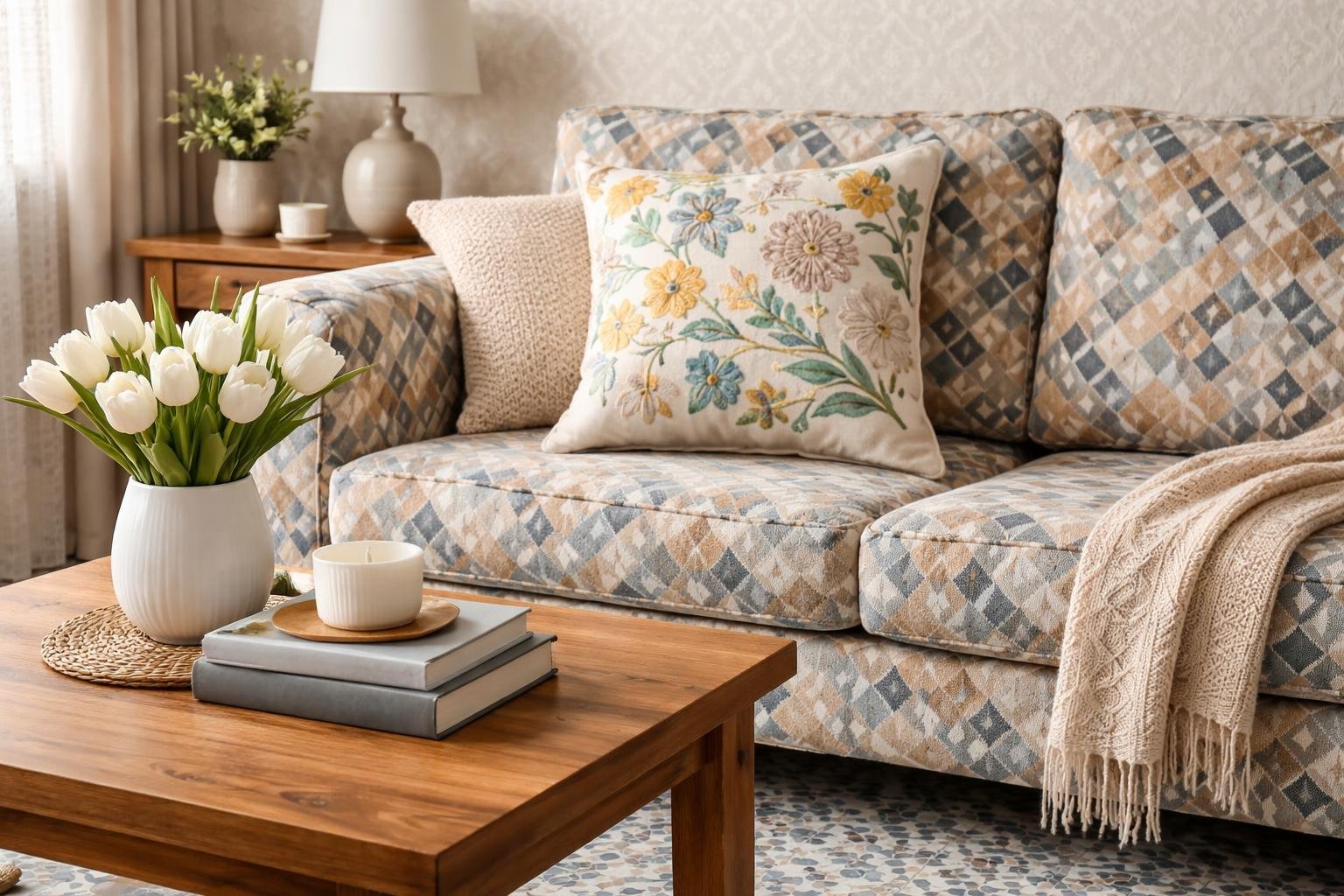
Patterns create rhythm, guide your eyes, and really set the mood in a room.
You’ll notice designs on floors, fabrics, and walls. Some anchor a space, while others add a playful contrast.
Geometric Patterns in Home Decor
Geometric patterns show up as clear shapes—squares, triangles, circles, hexagons. You’ll spot them on rugs, throw pillows, tiles, and curtains.
These patterns give rooms a modern, structured vibe.
Try using bold geometry to make a focal point. A big rug with repeating diamonds or a chevron runner in the hallway pulls your eye right through the space.
If you want something subtler, pick smaller items like pillows or lampshades. They add geometry without taking over the room.
For high-traffic spots, go for geometric tiles or herringbone wood floors. They look sharp and clean up easily.
Pair geometric patterns with solid colors to keep things from feeling cluttered.
If you want to mix two geometric pieces, keep one neutral and let the other pop with a bright color.
Timeless Patterns and Classic Designs
Timeless patterns—like florals, stripes, houndstooth, and damask—have stuck around for a reason.
They fit both traditional and modern homes. You’ll see them on upholstery, curtains, bedding, and area rugs.
Stripes can make a room feel taller if you use them vertically on drapes or wallpaper.
Houndstooth or herringbone works great for upholstery because the small repeat hides wear and tear.
Damask and toile set a formal tone, perfect for dining areas or a classic living room. Small floral prints feel right at home in casual spaces like kitchens or bedrooms.
When you use classic patterns, play with scale. Try a big floral on the sofa, then add small striped cushions for balance.
Stick with a shared color palette to tie it all together.
Patterned Wallpaper and Feature Walls
Patterned wallpaper instantly gives a room character.
You can cover an entire room or just do a single feature wall behind a bed, sofa, or fireplace. Large motifs feel dramatic, while small repeats give texture without stealing the show.
Pick wallpaper based on the room’s size and how much light it gets.
In small spaces, light-colored patterns with small repeats help keep things open. If you’ve got a big, bright room, go bold with larger prints.
Geometric repeats fit a modern look, while toile or damask lean classic.
When you hang wallpaper, match the scale to your furniture size. Line up patterns at the seams, and use a similar wall color nearby to connect the feature wall to the rest of the room.
Home Decor Projects: Bringing Patterns into Your Space
Add patterned textiles where they’ll get noticed.
Small changes—like new throw pillow covers, a table runner, or a crochet accent—let you try bold prints without a big commitment.
Throw Pillows and Cushion Covers
Throw pillows add color and pattern to sofas, beds, or window seats. Try mixing one big geometric pillow, a medium floral, and a smaller stripe to keep things balanced.
Use different textures—velvet, linen, cotton—for a layered, interesting look.
Go for removable covers so you can swap patterns with the seasons.
Keep the largest print as your focal point, and use smaller repeats for contrast. If you need something sturdy, pick pre-washed cotton or a linen blend for busy spots.
A plain lumbar pillow can break up a bunch of high-contrast designs.
Sewing Projects for Unique Patterned Accents
Start simple with home decor sewing—zippered throw pillow covers or basic cushion covers.
If you want to skip the zipper, use an envelope back. For a clean look, try an invisible zipper.
Cut your fabric so the patterns line up across seams.
Add interfacing or lining for bigger cushions if you want more structure.
When mixing patterns, repeat at least one color and play with scale.
Keep your tools nearby—a rotary cutter, ruler, and a sharp needle for topstitching.
If you’re new to sewing, practice on scrap fabric before cutting your main pieces. Trust me, it saves frustration.
Table Runners and Home Linens
Make a reversible table runner for two looks in one.
Pick a bold patterned fabric for one side, and a solid or smaller print for the other. Finish the edges with bias tape or a narrow hem so it stays flat and neat.
For a quick table runner, cut two rectangles the same size, sew them right sides together (leave an opening), turn it right side out, press, and topstitch.
Choose heavier cotton or linen for durability and easier cleanup.
If you want a coordinated set, make matching napkins or placemats with the same fabrics.
Crochet Patterns for Decorative Touches
Try using crochet patterns to add some small, handmade accents—think dishcloths, coaster sets, or even decorative throw pillow covers. If you’re new to this, simple granny-square or shell-stitch patterns make things a lot easier, and you can always scale them up for bigger projects like cushion covers.
I usually go for cotton yarn when making dishcloths since it holds up well. For throw covers, mixed-fiber yarns feel a bit softer and cozier.
You can find plenty of free pattern sources online, and most of them throw in stitch charts and gauge notes. Sticking to the right gauge really helps if you want your finished piece to match the size you had in mind.
When you make pillow covers, just crochet a front panel and attach it to a fabric or crocheted back—add a zipper or button closure for a neat finish. Honestly, these small crochet projects are a low-commitment way to play around with textured patterns without spending much time or money.