
Maths in Daily Life: Practical Uses and Everyday Significance
You probably use maths way more than you realize—when you’re budgeting, cooking, driving, or just planning your day. It sneaks into little choices and helps you sort out problems, often without you even thinking about it. Understanding how maths fits in can honestly make life a bit smoother and a lot less stressful.

If you know the basics of maths, you’ll handle money, time, and decisions with more confidence and a lot less guesswork. This post digs into how maths quietly works in the background and gives you some easy ways to spot and use it in regular life.
You’ll find clear examples of maths in daily routines, the main reasons it matters, and practical tips to use math skills at home, work, or even just running errands.
Fundamental Roles of Maths in Daily Life
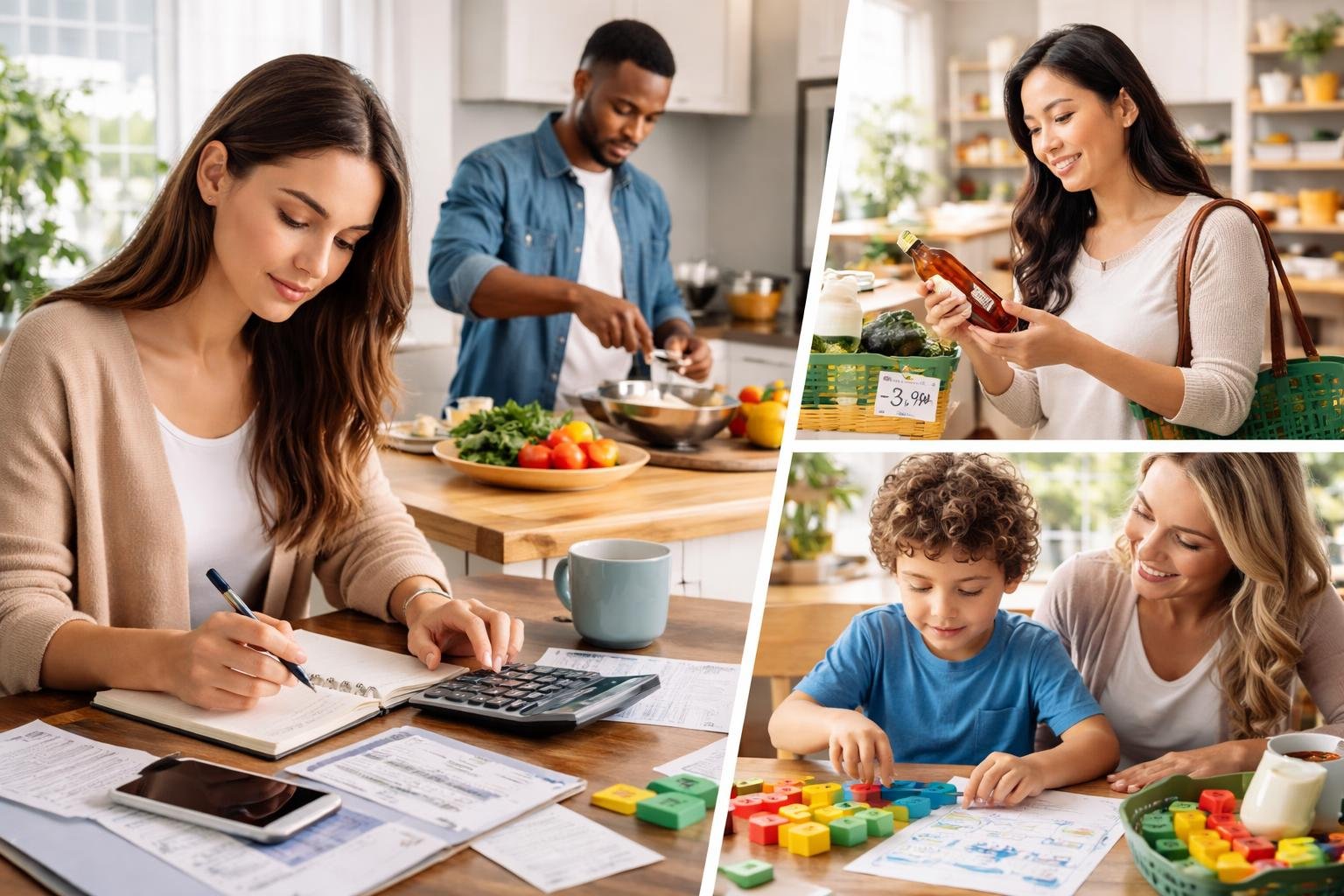
You use math every time you handle money, plan your day, or try to solve a problem. These skills help you make clearer choices and avoid mistakes that could cost you.
Budgeting and Personal Finance
Math lets you track income, expenses, and savings so you hit goals like paying bills or building up that emergency fund. Add and subtract your monthly income and costs, then compare prices before you buy anything. Figure out discounts and sales tax to get the real price, and use percentages to decide how much to save each month.
Make a simple budget table: list your income, fixed expenses, variable expenses, and whatever you want to save. Update it each week to spot where money slips away. You might use ratios to split your paycheck (maybe 50% for needs, 30% wants, 20% savings). These habits make money management less stressful and help you avoid falling into debt.
Time Management and Scheduling
You use basic arithmetic when you block out time for work, school, or chores. Add up how long tasks take to see if your day actually fits, and subtract travel or break times so nothing overlaps. Use averages to guess how long routine jobs take, then tweak your schedule if you notice patterns.
Write out a daily plan with time slots and priorities. Sometimes you’ll need to convert minutes to hours (like, 90 minutes is 1.5 hours) to keep things balanced. If you track how long things really take, you’ll get better at estimating. Good time math means less stress and fewer missed deadlines.
Logical Reasoning and Problem Solving
When you use maths to reason, you learn to follow steps, check your assumptions, and land on answers you can trust. Break problems into smaller parts, use simple equations to model situations, and test out possible solutions. This way of thinking helps with puzzles, repairs, or even picking between job offers.
Try it out with daily stuff: compare unit prices to find the best deal, set up a quick equation to split a bill, or use percentages to figure out loan interest. Logical thinking helps you spot mistakes and choose based on facts, not just guesses.
Practical Applications of Maths in Everyday Activities
You reach for math when you compare prices, follow a recipe, plan a trip, or use your phone’s apps. These moments rely on quick calculations, estimates, and simple steps to save you time and money.
Shopping and Price Comparisons
When you shop, maths helps you pick out the best value. Work out the unit price by dividing the total price by how much you’re getting (price ÷ grams or litres). Use percentages for discounts—a 25% sale means you multiply the price by 0.75. For deals like “buy two, get one free,” check the price per item to make sure you’re not actually paying more.
Keep a quick checklist while shopping:
- Check the unit price on the label.
- Apply the discount: New price = Old price × (1 − discount rate).
- Compare different sizes and brands using price per unit.
These simple steps help you save money and choose what actually fits your needs.
Cooking and Measuring Ingredients
Cooking is basically a math exercise in disguise. You use fractions, ratios, and unit conversions to get recipes right. If you want to double a recipe, just multiply each ingredient by two. Convert units when you need to: 1000 grams equals 1 kilogram, and 240 ml is about 1 US cup. Ratios are handy—if a sauce calls for a 2:1 water-to-sugar ratio, keep it the same even if you change the total amount.
Measure with care:
- Weigh dry ingredients for better accuracy.
- Use a liquid measuring cup at eye level for fluids.
- Adjust cooking times if you change portion sizes or oven temperature.
With a little math, your meals come out right, and you waste less food.
Travel Planning and Estimating Travel Time
Math comes in handy when you plan routes, figure out budgets, and estimate when you’ll arrive. To get travel time, divide the distance by your average speed (time = distance ÷ speed). Add extra time for traffic, stops, or check-ins. If you’re taking public transport, add walking and waiting time. For a trip budget, add up transport, food, accommodation, and anything else you might spend.
Jot down a simple travel plan:
- List each leg of the trip with distance and speed.
- Calculate the time for each part and add a 10–20% buffer.
- Add up costs and compare your options (like train vs car vs bus).
A little math keeps your plans realistic and your spending in check.
Technology, Algorithms, and Daily Gadgets
Algorithms drive the devices you use every day. They crunch numbers to make phones run smoother, sort your photos, predict what you’re about to type, and even squeeze more life out of your battery.
Apps turn all that data into numbers you can actually use—think step counts, calories burned, or how fast your internet’s moving (measured in megabits per second). If you get the hang of reading these outputs, you can make smarter choices, like shutting down background apps to stretch your battery a bit further.
Here are a few practical tips:
- Check the numbers apps give you—like speed, battery percentage, or steps—and pay attention to the units.
- Try using simple averages to spot trends. For example, average daily steps? Just take your total steps and divide by the number of days.
- Trust what the algorithm tells you when it’s clear, but don’t be afraid to double-check if something looks off. Sometimes these numbers can be weird.
When you notice how much math shapes your gadgets, you start to use them in a way that just makes more sense.