
Why Certain Numbers Appear Lucky Across Cultures: Key Beliefs & Patterns
Why Certain Numbers Appear Lucky Across Cultures: Key Beliefs & Patterns Introduction

Certain numbers gain their lucky or unlucky status through specific cultural influences. These influences include language, religion, historical usage, and ongoing traditions that affect how you perceive and use these numbers in daily life.
Role of Language and Phonetics in Perceptions of Luck
Language profoundly shapes the luck associated with numbers. In Chinese culture, for example, the number 8 is lucky because its pronunciation resembles words for wealth and prosperity. Conversely, the number 4 sounds like the word for death, making it unlucky.
You will notice this pattern in other languages too, where phonetic similarities link numbers to positive or negative concepts. This creation of symbolic meaning gives certain numbers power, influencing choices like wedding dates, lottery numbers, and even phone numbers for luck.
Symbolism and Religious Associations of Numbers
Numbers often represent spiritual or religious ideas that impact your sense of fortune. The number 7 is frequently seen as lucky in Western and Japanese cultures, connected to biblical stories like seven days of creation and festivals.
On the other hand, 13 is widely viewed as an unlucky number in many Western countries. This belief has led to skipping the 13th floor in buildings or avoiding the number in addresses. These symbolisms stem from religious texts and folklore, embedding numbers with deeper meanings tied to your beliefs.
Global Patterns in Number Superstitions
Across cultures, you will find shared patterns: some numbers appear lucky or unlucky in multiple regions, while others vary vastly. For instance, 7 is often lucky worldwide, but 4 is specifically unlucky in East Asia.
People tend to select specific numbers repeatedly for activities like lottery plays or special occasions due to these global patterns. Common picks include 3, 7, 12, and 23, which are seen as symbols of good fortune in various traditions.
Influence of Tradition in Daily Life and Major Events
Tradition heavily influences how you interact with numbers in life. Choosing lucky numbers for weddings, license plates, or business addresses is common because these choices are believed to bring good luck and avoid misfortune.
In some cultures, avoiding unlucky numbers affects architectural designs or public spaces. Numerology also plays a role, as people apply these beliefs to make daily decisions or interpret lucky and unlucky symbols, weaving numbers into your personal and cultural identity.
Significance of Individual Numbers Across Cultures
Certain numbers hold distinct meanings that influence culture, tradition, and even daily decisions worldwide. These meanings often link to language, history, religion, or mythology, shaping how you perceive luck, balance, or misfortune.
Number 8 and Prosperity in Chinese Culture
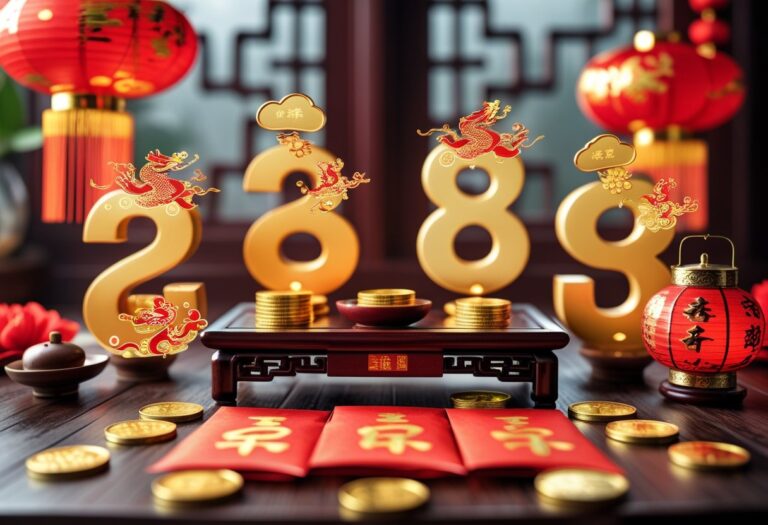
In Chinese culture, the number 8 is strongly associated with wealth and success. This connection stems mainly from the similarity in pronunciation between “eight” and the word for “fortune” or “prosper” in Mandarin and Cantonese.
You will find the number 8 featured prominently in business, phone numbers, and addresses, especially in places like Beijing, where it’s considered highly auspicious.
Double or repeated eights, such as 88, intensify this meaning, symbolizing double luck or prosperity. Events like the 2008 Beijing Olympics even began at 8:08 p.m. on 8/8/08 for this reason. You can see how deeply ingrained this number is in Chinese economic and social life.
Power and Ambivalence of the Number 4
The number 4 carries complex significance in many cultures, but it is most notable in Chinese tradition for its ambivalence. While the number 4 represents balance and stability in other contexts—such as the four seasons and four elements—it is largely seen as unlucky in China.
This negative view arises because the pronunciation of “four” closely resembles the word for “death” in several Chinese dialects.
As a result, you might notice the absence of the number 4 in building floors, phone numbers, and license plates in Chinese-speaking regions.
However, in Western and Indian contexts, the number 4 can symbolize structure and harmony, showing you how meaning shifts significantly across cultures.
Lucky 7: Spirituality and Balance in the Global Context
The number 7 is widely regarded as lucky and spiritually significant across many cultures. In Western traditions, 7 symbolizes spiritual perfection, luck, and divine order.
You encounter it in Christianity through the Holy Trinity (three persons in one God) and the seven days of creation.
The number 7 also appears in Indian traditions linked to spiritual growth, particularly the seven chakras that govern the body’s energy centers.
This number often represents balance, completeness, and transformation, bridging different cultural ideas about harmony and fate.
Number 13: Unlucky Myths and Unique Traditions
Number 13 commonly carries an unlucky reputation in Western cultures. This view originates from historical and mythological sources, including Norse mythology where Loki’s arrival caused chaos, and the Christian Last Supper where Judas was the 13th guest.
Despite this, some traditions view 13 differently. For instance, in Italian culture, “fare tredici” means achieving success or good fortune, showing a positive reframe of the number.
In other circles, 13 represents creativity and transformation, reflecting a more nuanced understanding beyond superstition.
You may notice how this number’s cultural meaning can vary from ominous to empowering depending on your location and beliefs.
Frequently Asked Questions
Numbers carry deep meanings in many cultures, linking to beliefs about luck, fate, and life events. These meanings often come from language, history, religion, and traditions.
What is the significance of numbers in cultural superstitions?
Numbers often symbolize abstract concepts like luck, fate, or misfortune. Your culture may associate specific numbers with positive or negative outcomes based on historical stories or religious beliefs.
How do repeating numbers play a role in cultural beliefs?
Repeating numbers amplify their symbolic meaning. For example, double eights (88) in Chinese culture are seen as especially lucky because they intensify the idea of prosperity and fortune.
What are some common lucky numbers recognized globally?
Numbers like 3, 7, 8, and 9 often appear as lucky in multiple cultures. You’ll find 7 representing spiritual perfection in Western cultures and 8 standing for wealth and prosperity in Chinese traditions.
What is the historical origin of viewing certain numbers as lucky?
Ancient civilizations aligned numbers with natural and cosmic cycles. For example, the seven-day week ties to celestial bodies, and many religions embed numbers into rituals and myths, shaping how you view numbers today.
How do lucky numbers influence cultural practices and rituals?
Lucky numbers guide choices in celebrations, architecture, and daily life. You might avoid the number 4 in addresses in some Asian cultures because it sounds like “death,” while you might favor the number 7 in Western rituals for good fortune.
Can the perception of numbers as lucky or unlucky affect human behaviour?
Yes, these beliefs can shape your decisions, from picking phone numbers to lottery tickets. The meanings assigned to numbers can influence emotions, choices, and even social interactions.
Numbers quietly shape how we see the world, even when we don’t notice. Think about how you check the clock, count likes on a post, or measure progress toward a goal — every moment seems to have a number behind it. Yet numbers are not just cold data. They carry stories, emotions, even superstitions. Some people avoid the number 13; others feel drawn to 8 because it sounds like “prosperity” in Chinese. What’s interesting is how these patterns reveal our deeper need for meaning inside randomness. As data and AI get smarter, they uncover trends our eyes can’t see — but we still need human curiosity to ask why those patterns matter. The balance between data logic and human interpretation is what gives numbers their real insight. Maybe that’s why the same set of digits can mean luck, probability, or destiny, depending on who’s looking.