Chinese Lucky Numbers: Symbolism, Meanings, and Cultural Influence
Chinese Lucky Numbers and Their Meanings
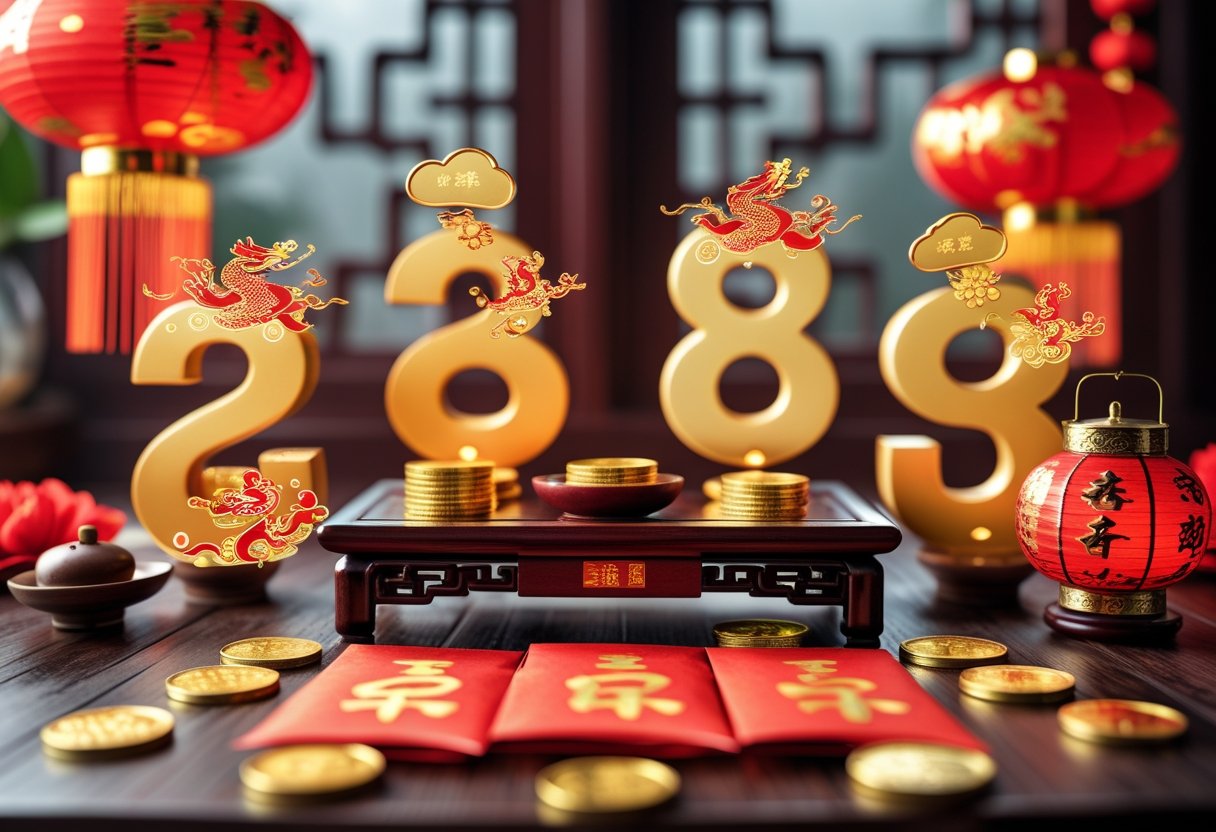
You will find certain numbers in Chinese culture carry strong meanings related to prosperity, longevity, harmony, and smooth progress. These numbers often appear in celebrations, business, and daily interactions. Their symbolic power influences choices from weddings to phone numbers.
Symbolism of Individual Lucky Numbers
The number 9 represents longevity and authority, echoing the word for “everlasting.”
6 is favored for smoothness and ease, suggesting that things will go without obstacles. The number 2 stands for pairs and harmony, especially important in weddings, reflecting the idea that good things come in pairs.
You will also encounter 3, linked to growth and life, and 5, which connects to the five blessings: longevity, wealth, health, virtue, and natural death. The number 7 can have mixed interpretations but sometimes represents togetherness and spirit.
Popular Lucky Number Combinations
Certain combinations deepen the luck of individual numbers. For example, 168 is prized in business and gifts because it sounds like “yī lù fā,” meaning “prosper all the way.”
The sequence 520 is widely used in romantic contexts as it phonetically resembles “I love you.” The triple 888 intensifies the prosperity associated with 8, making it ideal for phone numbers or signage.
You might also see 666, which signifies smooth progress and is popular in internet slang for “awesome.” These combinations create layered meanings that strengthen good fortune appeals in various settings.
Lucky Numbers in Special Occasions
In weddings, 2 is prominent, symbolizing harmony through “double happiness.” The gifts often include amounts like 9999 yuan, invoking the power of 9 for longevity and eternal love.
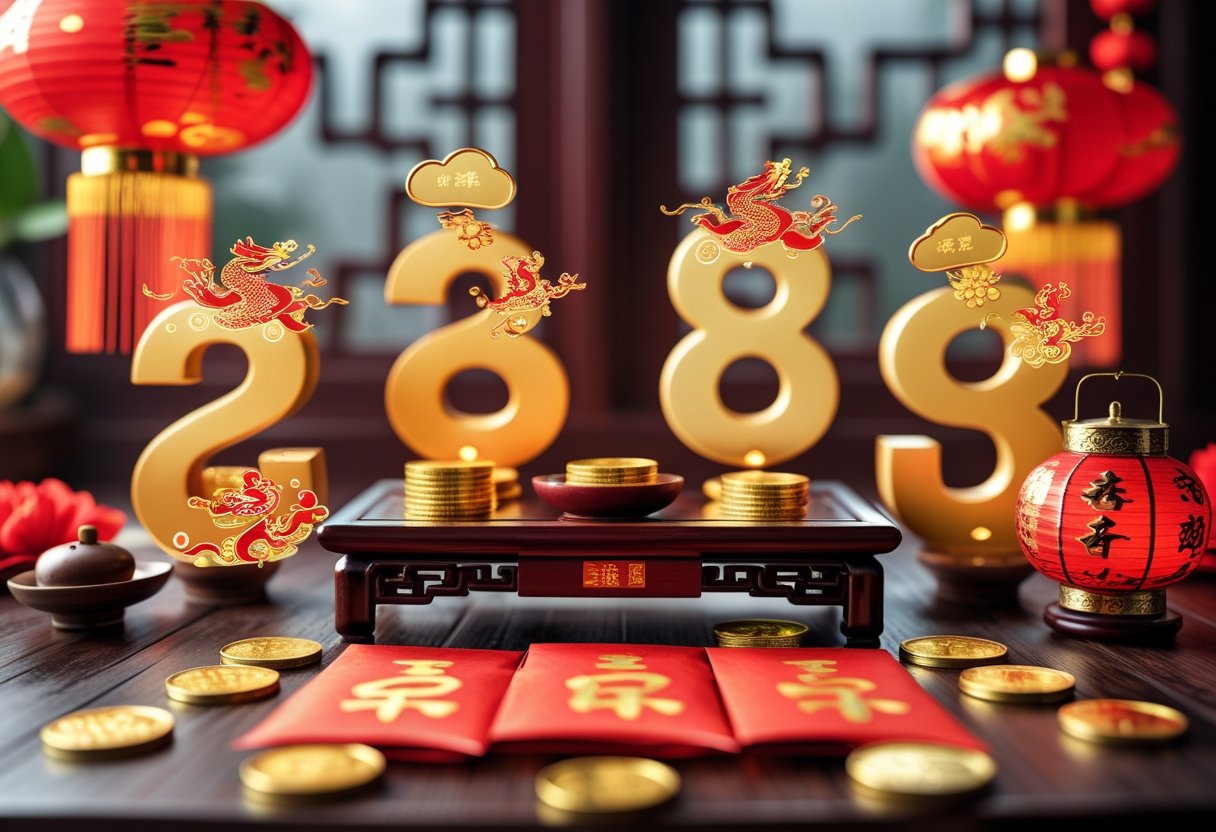
During Chinese New Year and other festivals, 8 and its multiples are used extensively to invite wealth. Red envelopes often carry these numbers or similar combinations to send blessings.
You’ll also find 1314 as a romantic phrase meaning “for a lifetime,” combining 1 and 4 cleverly despite 4’s usual unlucky reputation. Special dates and numbers are chosen carefully to reflect these beliefs.
Influence of Lucky Numbers in Daily Life
Lucky numbers affect your choices in phone numbers, addresses, and license plates. Numbers like 8 and 6 are especially sought after for business addresses or product launches, linked to prosperity and smooth operations.
You may notice people avoiding the number 4, which sounds like “death,” but embracing combinations that soften its meaning, such as 1314. Online culture promotes numbers like 666 to express admiration.
Even your zodiac sign might guide you to favor or avoid certain digits. This cultural numerology subtly shapes daily interactions, financial decisions, and celebrations, embedding luck in everyday life.
Number Symbolism and Unlucky Numbers in Chinese Culture
Numbers in Chinese culture carry deep meanings shaped by language, tradition, and philosophy. You will find certain digits avoided due to their pronunciation, while others reflect balance and cosmic principles. These beliefs influence architecture, personal choices, and spiritual practices.
Unlucky Numbers and Their Interpretations
The number 4 is the most notorious unlucky number in China. Its pronunciation “sì” sounds very close to “sǐ,” which means death. Because of this, many buildings skip floors numbered 4, 14, 24, and so on. Phone numbers, license plates, and addresses containing 4 are often avoided or considered undesirable.
Other numbers may also carry negative connotations depending on context. However, none evoke as strong an aversion as 4. Some exceptions exist, like “1314,” which sounds like “forever” and is used in romantic contexts.
Understanding these avoidances helps you navigate social customs, commercial decisions, and even gifts in Chinese culture.
Number Symbolism in Tradition and Philosophy
Chinese numerology links numbers to philosophical concepts, especially Yin and Yang and the Five Elements (Wood, Fire, Earth, Metal, Water). Even numbers generally represent Yin and femininity, while odd numbers relate to Yang and masculinity.
For example, the number 2 symbolizes harmony and pairs, referencing balance and unity. The number 9 signifies eternity and imperial power, connected historically to emperors and the Forbidden City, which contains 9,999 rooms.
Numbers serve as symbolic messages in everyday life, weddings, and celebrations, helping you interpret meaning beyond their numeric value.
Numbers in Feng Shui and the I Ching
In Feng Shui, numbers influence energy flow and harmony in spaces. Certain numbers promote positive Qi (energy), while others can create imbalance. For example, 8 is highly favored because its sound relates to prosperity and success.
The I Ching, or Book of Changes, uses eight trigrams to symbolize fundamental life principles, intertwining with numerology to provide guidance and decision-making frameworks.
Being aware of these connections allows you to align your environment and activities with cosmic forces, enhancing luck and wellbeing according to traditional Chinese thought.
Frequently Asked Questions
Numbers hold strong cultural meanings in Chinese tradition, shaping daily choices, celebrations, and business practices. Their significance often comes from how their pronunciation relates to words symbolizing fortune, harmony, or misfortune.
What is the significance of the number 8 in Chinese culture?
You will find 8 prized in phone numbers, addresses, and special events because it represents wealth and success.
How do numbers influence luck and fortune according to Chinese beliefs?
Numbers influence luck through phonetic similarities to positive or negative words. For example, 6 suggests smoothness and ease, while 9 implies longevity. You use these numbers to attract good fortune or avoid misfortune in various situations.
Can you explain the connection between numerology and the Chinese Lunar New Year?
During the Lunar New Year, people choose dates and recurring numbers that symbolize prosperity and harmony. You might notice how couples and families use lucky numbers like 8 and 2 to promote smooth transitions and good relationships for the new year.
What role do numbers play in Chinese weddings and other celebrations?
At weddings, the number 2 symbolizes pairs and harmony. The “double happiness” character is common. You may also see 9 used for eternal love and longevity, while certain number combinations like 1314 express lifelong commitment.
Are there any numbers considered unlucky in Chinese traditions?
Yes. The number 4 is widely avoided because it sounds like the word for death. You will find it often skipped in building floors, phone numbers, and addresses to prevent bad luck. However, some combinations involving 4 can carry positive meanings in specific contexts.
How does the concept of lucky numbers impact business practices in China?
Businesses select addresses, phone numbers, and launch dates based on lucky numbers to attract prosperity. You will observe premium pricing for numbers like 6 and 8 and strategic use of auspicious dates to enhance success and smooth operations.
Numbers shape more of our everyday choices than we usually notice, and that’s the idea behind this article. I used AI to help me gather the raw explanations and examples, but the perspective here comes from my own experience running NumInsight and seeing how people react to data in real life. Some readers look for patterns out of curiosity, others want clarity behind statistics they keep hearing about, and many are simply trying to make sense of trends that affect their daily decisions. What surprised me while reviewing the AI draft was how often the first version felt too neat, as if the world follows perfect models. It doesn’t. Real numbers behave inconsistently, and part of understanding them is recognising the messy parts that AI tends to smooth over. So I’ve kept the insights but adjusted the tone to be more grounded, especially where the data connects to practical situations. If you’re someone who enjoys exploring meaning behind figures—whether it’s probabilities, historical trends, or human behaviour reflected through numbers—this blended approach of AI support and human judgement should give you a clearer, more relatable view.